The Dracaena Kiwi is a vibrant and low-maintenance indoor plant known for its long, sword-shaped leaves striped in green, lime, and soft yellow. Its graceful, arching foliage adds a tropical and elegant touch to any space, making it perfect for living rooms, offices, or bright corners in need of a pop of color. Beyond its visual charm, Dracaena Kiwi is also valued for its air-purifying properties, helping remove common toxins and create a healthier indoor environment. Proper care includes providing bright, indirect light, well-draining soil, moderate watering, and occasional pruning to maintain its sculptural shape and vibrant foliage. This resilient plant adapts well to most indoor conditions and can thrive for many years with minimal attention. Regular maintenance and mindful placement ensure Dracaena Kiwi remains lush, radiant, and a striking centerpiece in any home.
Crassula Springtime is a charming succulent known for its plump green leaves and clusters of delicate pinkish-white blooms that appear in late winter to early spring. When thriving, it becomes a lovely highlight in any collection — but many plant owners find their Springtime growing healthy and lush without producing a single flower.
This often happens when the plant’s basic needs for light, temperature, and seasonal rest aren’t fully met. Blooming requires the right balance of sunlight, watering, and cooler nights to trigger its natural rhythm. In this guide, we’ll explore why your Crassula Springtime might not be blooming and how to help it reward you with those beautiful clusters of soft, pastel flowers once again.
The Crassula Hummel's Sunset, also known as Golden Jade or Sunset Jade, is a stunning succulent native to South Africa. With glossy green leaves tinged in golden yellow and red, it not only adds color to any space but also signifies good luck and prosperity. Proper care involves providing bright, indirect sunlight, well-draining soil, controlled watering, and occasional pruning to keep this plant healthy and vibrant year-round. Additionally, propagation can be easily achieved through stem or leaf cuttings, while common issues like pests and diseases can be managed with timely intervention and care.
Halloween is the perfect time to refresh your indoor decor with spooky and stylish houseplants that bring mystery and charm to your home. Beyond pumpkins and cobwebs you can decorate with Spider Plant, Snake Plant, Philodendron, Maranta Green Prayer Plant and Monstera Deliciosa for a haunting yet elegant touch. These Halloween plants not only create a festive vibe but also improve indoor air quality and add lasting beauty. Styled in dark pots with fairy lights or faux spiders they turn any space into a magical hideaway. With the right care they thrive long after Halloween bringing freshness style and charm all year round.
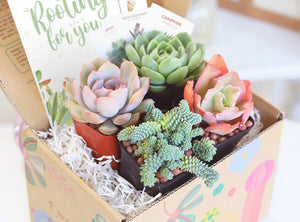
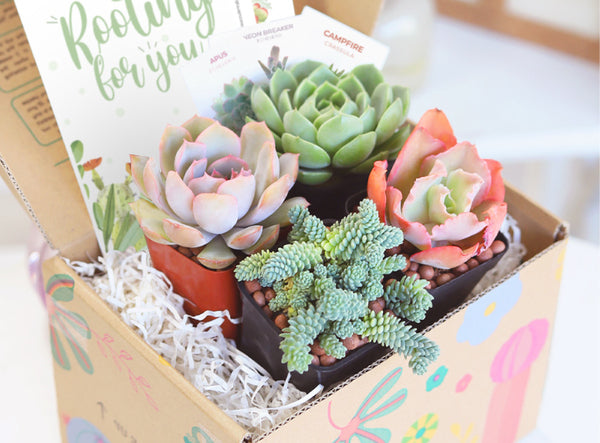
Get the most from your October 2025 Succulent Subscription Box with essential care tips for each featured plant. From watering schedules and light preferences to soil recommendations and propagation techniques, this detailed care guide covers Echeveria Perle von Nurnberg, Echeveria Atlantis, Ice Plant Corpuscularia lehmannii, Sedum Donkey’s Tail, and Tillandsia Capitata Peach. Whether you're a seasoned succulent enthusiast or a newcomer, these expert insights will help your succulents thrive, extend their beauty, and deepen your subscription experience.
Peperomia polybotrya Raindrop is a semi-succulent plant known for its unique appearance and ease of care, originating from Colombia, Ecuador, and Peru. It is distinct from the Chinese Money Plant, despite their similar appearances, and thrives in indoor environments with moderate light and infrequent watering. While it can be grown outdoors in warm climates, it requires protection from harsh sunlight and cold temperatures.
General care for Peperomia polybotrya involves providing bright, indirect light, allowing the soil to dry before watering, using well-draining soil, and avoiding over-fertilizing. The plant prefers warm temperatures and moderate humidity levels, while being non-toxic to pets and humans. Regular pruning, propagation through stem cuttings, and addressing common problems like overwatering are essential for maintaining the plant's health and appearance.
The "Lipstick Plant," scientifically known as Aeschynanthus radicans, is a tropical houseplant with vibrant, lipstick-like flowers that bloom repeatedly throughout the year under the right conditions. It thrives in bright, indirect light and consistent moisture without waterlogging. While it can be grown outdoors in zones 10 to 12, it should be protected from direct sunlight and brought indoors when temperatures drop below 60°F.
Care for the Lipstick Plant includes using well-draining soil, avoiding over-fertilization, and occasional misting to boost humidity. Propagation is best achieved through stem cuttings in water or soil. Common problems such as leaf drop, lack of blooming, root rot due to overwatering, and pest infestations can be addressed by providing stable conditions, proper lighting, adequate drainage, and prompt pest management.
Hydroponics, a method of growing plants in water without soil, is gaining popularity among home gardeners for its cleanliness, nutrient control, and predictable watering. While hydroponics can benefit leafy houseplants with soft stems, succulents like cacti are less suited for long-term hydroponic growth due to their drought-adapted nature and susceptibility to root rot in consistently wet conditions. However, some semi-succulent plants, such as peperomia and hoya, can adapt well to hydroponic or semi-hydroponic systems like LECA, offering a soil-free growing option for indoor plant enthusiasts.
When venturing into hydroponics, gardeners need to address common challenges like algae buildup, root rot, nutrient deficiencies, pests, and lack of support for plants in water or LECA. By taking proactive steps such as using opaque containers to block light exposure, maintaining proper oxygen levels for roots, ensuring nutrient balance, monitoring for pests, and providing physical support for plants, individuals can successfully grow and care for a variety of houseplants and select succulents in hydroponic setups.
As summer fades and autumn approaches, it’s crucial to shift how we care for our houseplants. This article offers six practical tips to help your plants transition smoothly into fall—from pruning, reducing water and stopping fertilizer, adjusting light and temperature, to keeping an eye out for pests and repotting when needed. With the right fall care, your houseplants will stay healthy through the colder months and be ready to thrive again in spring.
Calathea lancifolia, commonly known as the Rattlesnake Plant, is a striking tropical houseplant prized for its long, wavy green leaves with dark markings and deep purple undersides. This blog post walks you through everything you need to know to keep it healthy and vibrant — from the right light, watering routine, and soil mix to humidity, temperature, and common care tips — so your Rattlesnake Plant can thrive indoors.
Turn your bathroom into a refreshing green retreat with the best air-purifying houseplants. Peace lilies, ferns, snake plants, and other humidity-loving indoor plants not only survive but thrive in low-light and damp conditions. These bathroom plants naturally filter toxins, improve air quality, balance moisture, and add a soothing spa-like vibe to your daily routine. Discover how the right greenery can transform your bathroom into a healthier, more beautiful space
Struggling to find greenery for rooms with little to no natural light? Discover houseplants that thrive in low-light and medium-light conditions—plants like Snake Plant, ZZ Plant, Pothos, Philodendron, Dracaena and Calathea can turn your darkest corners into lush, vibrant spaces. These low-maintenance indoor plants need well-draining soil, minimal watering, and just indirect sunlight to stay healthy. Explore which low-light houseplants are best for purifying the air, elevating your décor, and breathing life into even the gloomiest spots