




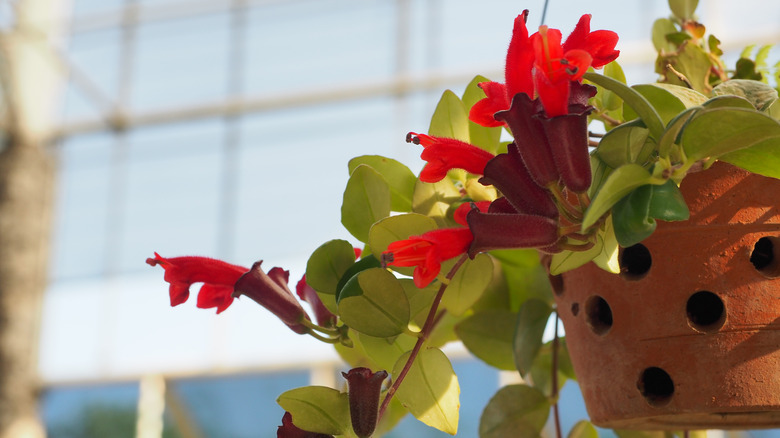
Lipstick Plant may sound like a peculiar name for a houseplant, but one look at its vibrant blooms, and it all makes sense. This stunning tropical plant, scientifically known as Aeschynanthus radicans, gets its name from its bright, tubular flowers that resemble tiny tubes of lipstick emerging from dark green buds. When in full bloom, its cascading vines are dotted with clusters of these striking flowers, creating a truly eye-catching display.
Native to the warm, humid rainforests of Southeast Asia, Lipstick Plant thrives as an epiphyte in its natural habitat, clinging to trees and absorbing moisture from the air. This growth habit makes it particularly well-suited for life as a houseplant, where it flourishes in hanging baskets or perched on high shelves, its vines gracefully spilling over the edges. Its long, cascading vines create a stunning display, making it an elegant choice for both living rooms and shaded patios.
What makes Lipstick Plant truly special, aside from its vibrant blooms, is its ability to bloom repeatedly throughout the year under the right conditions. The flowers emerge from dark buds, gradually unfurling to reveal their bold, lipstick-like shape—a feature that’s as intriguing as it is beautiful. Whether displayed as a hanging showpiece or allowed to spill over a high shelf, Lipstick Plant has a tropical luxury vibe that few other houseplants can match.
Can this plant grow outdoors?
Lipstick Plant can grow outdoors, but it depends heavily on the climate. This tropical plant thrives best in USDA hardiness zones 10 to 12, where temperatures remain warm and frost is never an issue. In these regions, Lipstick Plant can be grown outdoors year-round, flourishing in shaded patios, hanging baskets, or mounted on trees where its epiphytic nature can really shine.
If you live in a cooler climate, you can still bring your Lipstick Plant outdoors during the warm months. Just be sure to place it in a shaded or partially shaded area where it’s protected from direct sunlight. Too much harsh sunlight can scorch its delicate leaves, leading to browning and leaf drop. A spot under a tree canopy or a covered porch where it receives filtered sunlight is ideal.
When temperatures begin to dip below 60°F, it’s time to bring your Lipstick Plant back inside, as it is highly sensitive to cold and frost damage. Consistent exposure to temperatures below 50°F can cause significant stress, wilting, and even death.
For those who live in colder zones, treating Lipstick Plant as a summer outdoor plant and bringing it back indoors before the chill sets in is the best approach to keep it healthy and thriving.
General Care
Lighting
Lipstick Plant thrives in bright, indirect light, which helps it produce its vibrant flowers and maintain healthy foliage. In its natural habitat, it grows as an epiphyte under the canopy of tropical rainforests, receiving filtered sunlight rather than direct exposure. Mimicking these conditions indoors is key to its health and growth. A spot near an east or north-facing window is ideal, where it can receive gentle morning sunlight without the harshness of midday rays.
Direct sunlight, especially in the afternoon, can scorch its leaves, causing browning or curling. On the other hand, insufficient light can result in leggy growth, sparse leaves, and reduced flowering. If you notice the plant stretching toward the light or its leaves losing their glossy green appearance, it may need to be moved to a brighter location.
For outdoor growth, place the plant in a spot with filtered sunlight or partial shade. Under trees or on a shaded patio, it will receive the dappled light it loves. In regions with intense sunlight, providing shade cloth or positioning it under other larger plants can help prevent leaf burn. If you live in a less sunny area, supplementing with a grow light during the winter months can keep it thriving year-round.
Watering
Lipstick Plant prefers consistent moisture, but it’s important to strike the right balance to avoid issues like root rot. In its native tropical environment, it thrives in humid conditions with regular rainfall, so replicating that indoors means keeping the soil slightly moist without waterlogging it. The best approach is to water thoroughly when the top inch of soil feels dry to the touch. This usually means watering once a week during the growing season (spring and summer) and slightly less frequently during the winter months when growth naturally slows down.
When watering, make sure to saturate the soil until water drains from the bottom of the pot, ensuring that the roots are getting enough hydration. However, never let the plant sit in standing water, as this can lead to root rot. Always empty the saucer after watering to prevent moisture from pooling at the bottom.
Lipstick Plant is somewhat sensitive to water quality, so if you live in an area with hard water, it’s best to use filtered or distilled water to prevent mineral buildup in the soil. Additionally, tepid water is preferable over very cold water, as the latter can shock the roots.
In particularly dry indoor environments or during winter when heaters are running, it may benefit from occasional misting to boost humidity. Just be sure to mist lightly and not to overdo it, as overly damp leaves can lead to mildew or fungal issues. Regularly monitoring the soil moisture level is key to keeping Lipstick Plant happy and flourishing.

Image by Succulents Box
Soil and Fertilizer
Lipstick Plant thrives in well-draining soil that retains some moisture but doesn't stay waterlogged. The ideal soil mix is a lightweight, porous blend that allows excess water to drain easily while still holding enough moisture for the roots to absorb. A good option is a standard potting mix combined with perlite or orchid bark to improve aeration. A mixture of two parts potting soil, one part perlite, and one part orchid bark works particularly well. This combination mimics the plant's natural epiphytic environment, where its roots are accustomed to good airflow and quick drainage.
Avoid heavy, compacted soils that hold too much moisture, as they can lead to root rot. It's also helpful to use a pot with drainage holes to allow excess water to escape easily. If you notice water pooling at the surface or draining very slowly, it’s a sign that the soil may be too dense and in need of a better-draining mix.
When it comes to fertilizing, Lipstick Plant benefits from regular feeding during its growing season, which spans from spring to early fall. Use a balanced liquid fertilizer diluted to half strength every four to six weeks. Look for a balanced fertilizer with equal parts nitrogen, phosphorus, and potassium (such as a 10-10-10 formula) to promote healthy growth and blooming. Over-fertilizing can cause salt buildup in the soil, which may damage the roots, so always follow the recommended dosage.
During the winter months, Lipstick Plant enters a period of dormancy and doesn’t require feeding. Resume fertilization when new growth begins in the spring to encourage lush foliage and vibrant blooms. Flushing the soil with water every few months can also help prevent mineral buildup from regular fertilizing, keeping the soil healthy and the plant thriving.
Temperature and Humidity
Coming from the warm, moist forests of Southeast Asia, the Lipstick Plant naturally thrives in a tropical climate, so to mimic these conditions indoors you should aim to keep it in a space where temperatures stay consistently between 65–75°F (18–24°C) throughout the year as this range supports steady growth and healthy flowering.
While the plant can tolerate brief dips outside this range, prolonged exposure to cooler temperatures—especially anything below 60°F (15°C)—may cause leaf drop, slowed growth, or stress, and it’s also sensitive to cold drafts, air-conditioning vents and sudden temperature swings which can shock the plant and lead to yellowing or dropping foliage; if you move your plant outdoors in summer, acclimate it gradually to warmer or brighter conditions to prevent shock.
Humidity is equally important because the Lipstick Plant hails from a rainforest environment and appreciates moderate to high humidity, ideally around 50–70%; if your home air is dry, especially during winter or in rooms with heating or air conditioning, the plant may develop crispy leaf tips or struggle to bloom.
There are several easy ways to raise humidity around your plant: group plants together to create a small microclimate, run a humidifier nearby to add moisture to the air, use a pebble tray by placing a layer of pebbles in a shallow tray and setting the pot on top without letting it sit directly in the water, or occasionally mist with warm water in the morning so the leaves have time to dry completely, reducing the risk of fungal issues that thrive in prolonged dampness. By maintaining steady warmth and consistent humidity you’ll be recreating the plant’s natural habitat, helping it stay lush, bushy and ready to bloom throughout the growing season.

Image by Succulents Box
Toxicity
Lipstick Plant (Aeschynanthus radicans) is considered non-toxic to both pets and humans. This makes it a safe choice for households with curious cats, dogs, or young children who may occasionally nibble on leaves. Unlike many popular houseplants that contain toxic compounds, Lipstick Plant doesn’t pose a risk of poisoning if accidentally ingested.
However, while it’s non-toxic, consuming large amounts of any plant material can still cause mild digestive discomfort in pets or people due to the fibrous nature of the leaves. If you notice any signs of irritation like drooling, vomiting, or lethargy after a pet chews on the plant, it’s always good to monitor them and consult with a vet if symptoms persist.
Overall, its non-toxic nature combined with its stunning blooms makes Lipstick Plant a great option for pet-friendly homes. Even so, it’s still a good idea to place it out of reach if you have particularly mischievous pets to prevent damage to the plant itself.
Extra Care
Potting and Repotting
Lipstick Plant (Aeschynanthus radicans) thrives best when grown in well-draining potting soil and slightly snug pots. This plant prefers to be somewhat root-bound, so frequent repotting is not necessary. Typically, repotting is only needed every 2–3 years or when you notice roots poking out of the drainage holes, the plant becoming root-bound, or water running straight through the pot too quickly.
When it’s time to repot, choose a pot that’s just one size larger than the current one. Going too large can lead to excess soil, which holds moisture longer and increases the risk of root rot. The ideal soil mix for Lipstick Plant is light and well-draining. A combination of regular potting soil mixed with perlite or orchid bark works well to provide both nutrients and aeration. Some growers also opt for a mix designed for epiphytic plants, as it mimics the plant’s natural growing conditions in the wild where it clings to trees and other surfaces.
Always ensure that your pot has drainage holes to allow excess water to escape. During repotting, gently remove the plant from its pot, shake off excess soil, and inspect the roots for any signs of rot or damage. Trim off any blackened or mushy roots before placing the plant in its new pot. Fill around the root ball with fresh soil, press down lightly, and water thoroughly.
Pruning
Pruning a Lipstick Plant is not only beneficial for its appearance but also for its overall health and blooming potential. Regular pruning encourages bushier growth, prevents legginess, and helps the plant maintain its vibrant look. It’s best to prune your Lipstick Plant right after its blooming cycle, as cutting it back during the growth period may interfere with flower production.
To prune, start by using clean, sharp pruning shears or scissors to avoid spreading any diseases. Focus on removing any dead, damaged, or yellowing stems first. This helps the plant redirect its energy to healthy growth. After clearing out the unhealthy parts, look for any long or leggy stems that seem sparse or stretched out. Trim these back to a healthy leaf node, where new growth is likely to emerge. This encourages the plant to grow more densely and prevents it from looking too sparse.
If your Lipstick Plant is getting too large or unruly, you can trim back up to a third of its total length. This won’t harm the plant; instead, it stimulates new shoots and encourages more branching. For the best results, always make cuts just above a leaf node to promote new growth in that spot.
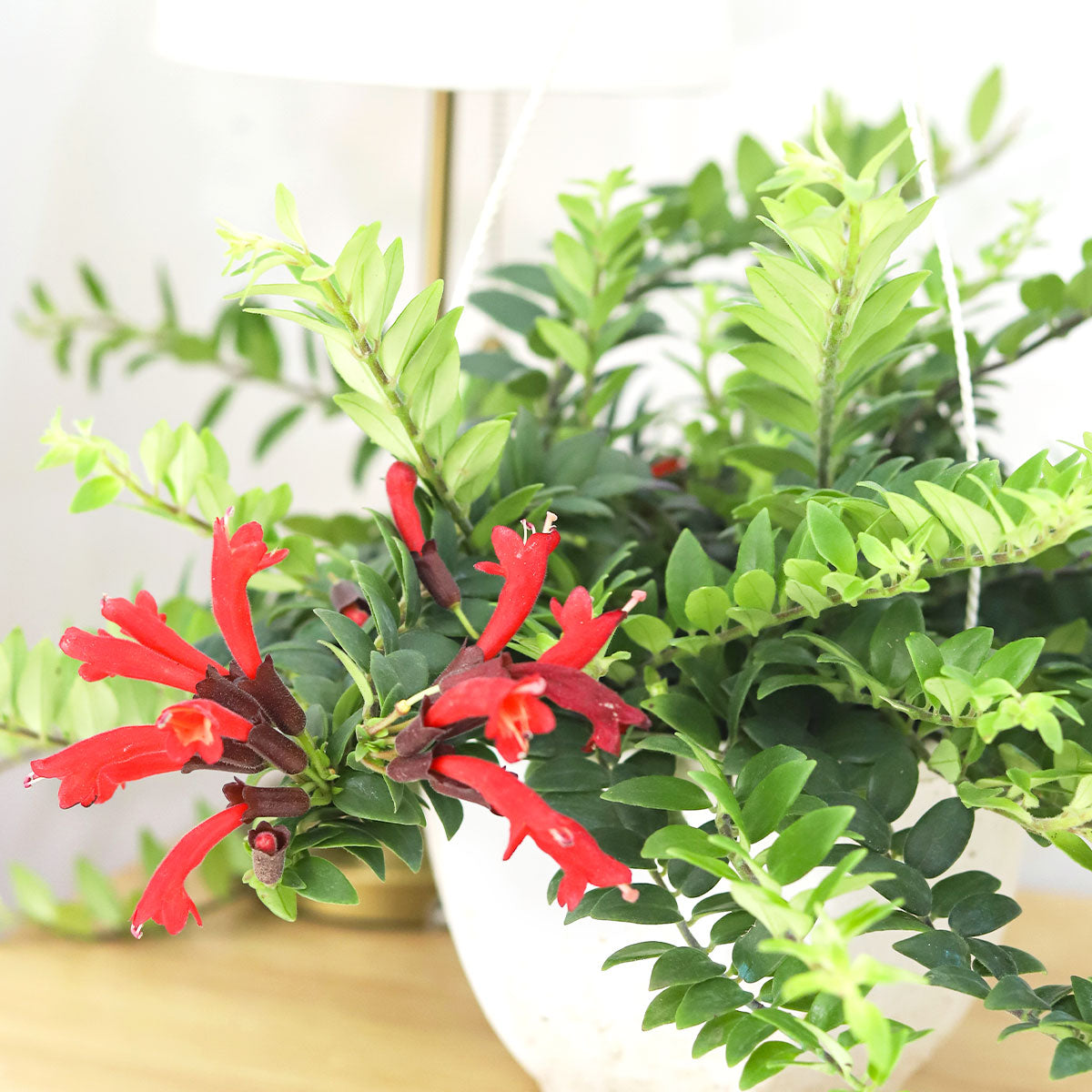
Image by Succulents Box
Propagation
The most effective method for propagating this plant is through stem cuttings, which can be rooted in either water or soil, depending on your preference. To begin, select a healthy stem with at least two to three leaf nodes. Leaf nodes are the small bumps on the stem where leaves emerge, and they are the spots where roots will develop. Using clean, sharp scissors or pruning shears, cut a 4-6 inch section of the stem just below a node. It’s important to use sanitized tools to prevent the spread of disease. Next, remove the leaves from the lower portion of the cutting, leaving at least two leaves at the top. This helps direct the plant’s energy toward root development instead of sustaining unnecessary foliage.
If you choose to root your cutting in water, simply place it in a clean glass or jar filled with room-temperature water. Ensure that the lower leaf nodes are submerged while keeping the leaves above water to prevent rot. Place the container in a bright, indirect light spot and change the water every week to keep it fresh and oxygenated. Within a few weeks, you should start to see tiny roots forming. Once the roots are about 1-2 inches long, the cutting is ready to be transferred to soil.
For soil propagation, dip the cut end of the stem into rooting hormone (optional but recommended for faster growth) and plant it in a small pot filled with a well-draining potting mix. A combination of potting soil, perlite, and orchid bark works well. Water the soil lightly and place the pot in a warm area with bright, indirect light. Keep the soil slightly moist but not waterlogged. In about 3-4 weeks, the cutting should begin to establish roots, and you may see new growth emerging. After the plant is well-rooted, continue with standard care practices, ensuring it gets proper light and water.
Blooming
Blooming typically occurs throughout the warmer months, primarily from late spring to early fall, but with the right conditions, it can produce flowers year-round. The flowers emerge from dark-colored calyxes and bloom in vibrant shades of red, pink, or orange, standing out beautifully against the glossy green leaves.
For successful blooming, the plant requires optimal light conditions—bright, indirect sunlight is best. Insufficient light may result in sparse or no blooms, as the plant relies on proper light exposure to produce energy for flowering. If you notice your Lipstick Plant isn't blooming as expected, consider moving it to a brighter location, such as near a north or east-facing window where it can receive gentle morning light.
Proper watering is also crucial for encouraging blooms. Consistently moist—but not waterlogged—soil helps the plant thrive. Allow the top inch of soil to dry out slightly before watering again. Overwatering can lead to root rot, while underwatering can stress the plant, hindering its ability to flower.
Fertilizing during the growing season also plays an important role in flower production. Apply a balanced liquid fertilizer diluted to half strength every 4-6 weeks during spring and summer. Be cautious not to over-fertilize, as excess salts can build up in the soil and damage the roots, affecting blooming.
Finally, a little bit of pruning can help stimulate new growth and more flowers. After the plant finishes blooming, trim back leggy stems and remove spent flowers to encourage more buds to form. With the right care and a bit of patience, your Lipstick Plant will reward you with its vibrant, lipstick-like blooms year after year.
Common Problems
While Lipstick Plant is generally hardy and low-maintenance, it can still encounter a few common problems if its care needs are not met. One of the most frequent issues is leaf drop, which often happens when the plant experiences sudden changes in its environment—such as temperature fluctuations, drafts, or inconsistent watering. Ensuring the plant remains in a stable environment with moderate humidity can help prevent this.
Another common problem is lack of blooming. If your Lipstick Plant is failing to flower, it’s often due to insufficient light. This plant thrives in bright, indirect sunlight, and if it’s kept in too much shade, it may not have the energy to produce its iconic tubular flowers. Moving it to a brighter location, like near a north or east-facing window, can help encourage blooms.
Overwatering can lead to root rot, one of the more serious issues for this plant. Symptoms include yellowing leaves, soft stems, and a musty smell coming from the soil. To prevent root rot, always let the top inch of soil dry out before watering again, and ensure the pot has good drainage.
Pest infestations, though not very common, can still occur. Lipstick Plants may attract pests like aphids, spider mites, and mealybugs, especially if kept in a crowded or poorly ventilated area. Regularly inspect the undersides of the leaves and the stems for signs of these insects, and treat any infestations promptly with insecticidal soap or neem oil.
Finally, leggy growth can be a sign that your plant is not getting enough light. When the stems grow long and sparse with fewer leaves, it's usually a response to reaching for more sunlight. Trimming back leggy stems and moving the plant to a brighter spot can help it regain its bushy, compact appearance. Regular pruning not only encourages fuller growth but also promotes better blooming.


