




Traditionally, plants and soil have gone hand in hand. Soil has always been seen as the natural home for roots—a place that anchors the plant, provides nutrients, and supports healthy growth. This belief holds especially true for succulents and cacti, which have evolved in dry, rocky soils and are known for their dependence on excellent drainage. In fact, much of what we know about plant care emphasizes soil quality as one of the most important factors in a plant’s overall health. A good potting mix, the right pH, the correct blend of organics and inorganics—these have long been the basics of plant success. The only exception that comes to mind for many people might be air plants (Tillandsia), which famously don’t need soil at all.
However, in recent years, another way of growing has been gaining popularity—not only for herbs and leafy greens but also for houseplants and even some succulents. This method is hydroponics: growing plants in water instead of soil. Hydroponics isn’t just a futuristic idea from high-tech greenhouses or space stations—it’s a practical, increasingly common way to grow plants indoors and has been used for centuries in agriculture. It’s not limited to commercial growers or tech-savvy hobbyists. More and more home gardeners are exploring hydroponic methods to propagate cuttings and grow lush foliage plants.
It is important to note that, hydroponic gardening requires a bit of a mindset shift. You’ll need to learn how to monitor water quality, maintain a nutrient balance, and prevent problems. But it’s also an incredibly rewarding process. Whether you’re curious about starting your first water-propagated succulent, want to grow trailing houseplants without the fuss of repotting, or you’re just intrigued by the idea of soil-free gardening, hydroponics offers a fascinating path for the modern plant lover. In this guide, we’ll walk through everything you need to know—from the basics of how hydroponics works, to the best types of plants to try, and how to care for them once they’re growing in water.

What Is the Hydroponic Method?
Hydroponics is a soilless growing technique where plants absorb nutrients directly from water rather than through soil. Scientifically, this works because roots don’t need soil itself—they need moisture, oxygen, and minerals. Soil is just a medium that typically holds those elements, but in a hydroponic setup, those essentials are delivered more directly. With the right balance of oxygen and nutrients, many plants are able to adapt and grow just as well, sometimes even more efficiently.
In a home setting, hydroponics doesn’t have to be high-tech or complicated. For centuries, many indoor gardeners use simple setups like jars, glass vases, or small containers filled with water. A common example is placing a cutting of a plant, like pothos or lucky bamboo, in water until it grows roots—this is actually a very basic form of hydroponics. For more delicate plants like succulents or cacti, water growing is usually used only for propagation, not for long-term growth.
However, if we think about this method from a scientific point of view, a simplified hydroponic method can still be very approachable. One of the easiest systems to use is the Kratky method. It’s a passive, low-tech technique that doesn’t require pumps, timers, or electricity. You place the plant in a net cup suspended over a container of water enriched with nutrients. As the plant uses up the water, the water level drops, creating an air gap for the roots to breathe. It’s simple, effective, and perfect for beginners.
While this method works well for many leafy plants and some houseplants, not all plants are ideal for long-term hydroponic growth. Many succulents, for example, are naturally adapted to dry environments and can rot if left in water too long. Understanding the plant's natural growth habits will help you decide if hydroponics is a good fit.
Hydroponics isn’t just a science lab experiment—it’s a practical, clean, and often rewarding method to try at home, especially for modern indoor gardening.
Pros and Cons of Hydroponic Method
Hydroponics offers a fresh, soil-free approach to growing plants indoors, and while it has clear advantages for certain types of houseplants, it also comes with its limitations—especially when it comes to succulents and cacti.
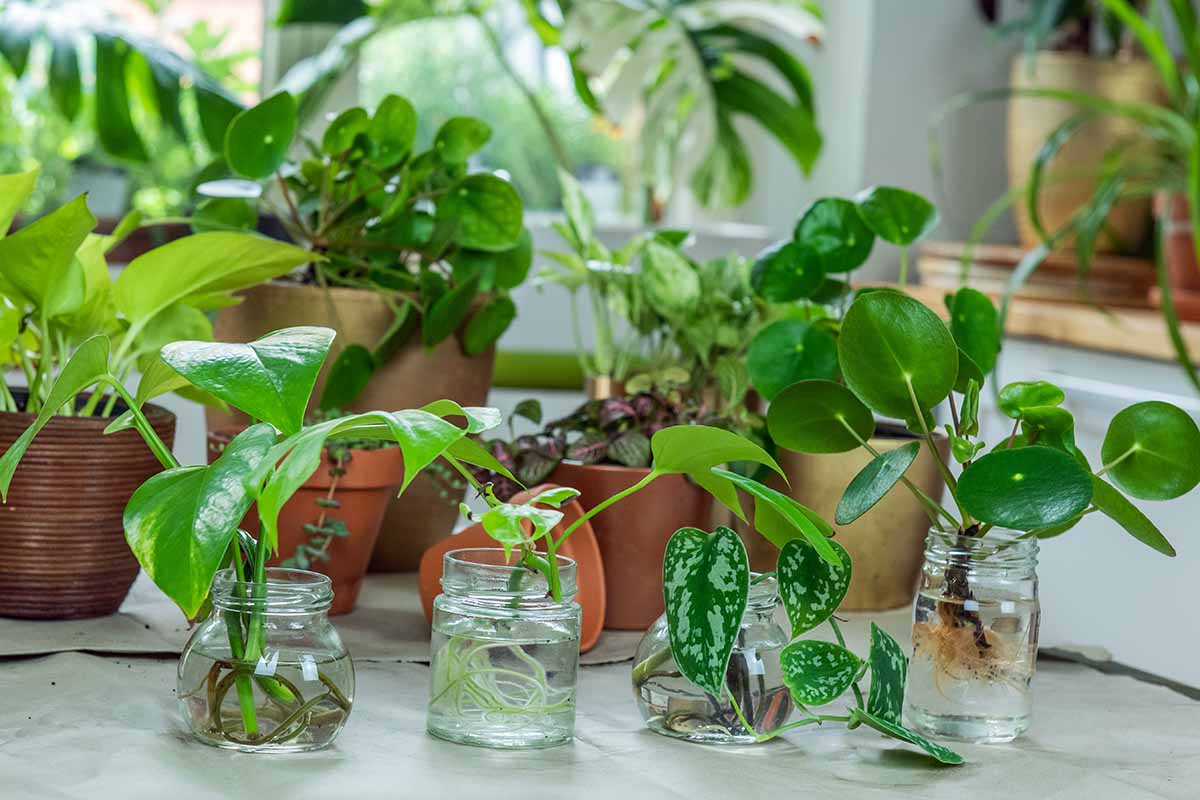
One of the biggest advantages of hydroponics is cleanliness. Without soil, there’s no mess, no risk of bringing in pests from contaminated potting mix, and no need to worry about fungus gnats—one of the most common annoyances in indoor gardening. This makes hydroponics especially appealing for modern, minimal spaces where aesthetics and cleanliness are a priority.
Another benefit is better control over nutrients. Since you're feeding the plant directly through the water, you can precisely adjust the nutrients it receives. For leafy houseplants like pothos, philodendrons, or spider plants, this often means faster growth, lusher foliage, and fewer deficiencies—assuming the nutrient balance is well maintained.
Hydroponic systems also make watering more predictable. Instead of checking soil moisture, you can monitor water levels directly. In setups like the Kratky method, the system even allows the roots to regulate their own access to water and air, reducing the risk of over- or underwatering.
But hydroponics isn’t without its downsides. The most obvious challenge is that not all plants like it—especially succulents. Succulents and cacti are adapted to dry, well-draining environments where their roots can breathe and avoid prolonged contact with moisture. Leaving them in water for extended periods can lead to root rot or mushy, collapsing stems. While water propagation is useful for starting new succulent cuttings, long-term hydroponic growth is generally not recommended for these plants.
Hydroponics also requires regular monitoring of water quality and cleanliness. Algae buildup, lack of oxygen, or contaminated water can quickly lead to plant stress or disease. If you forget to change the water or replenish nutrients, growth may stall—or worse, roots may rot.
Another factor is the learning curve. While basic hydroponic methods are beginner-friendly, they still require you to understand pH levels, nutrient balance, and light exposure. Unlike soil, which buffers small mistakes, hydroponics gives you fewer margins for error.
In short, hydroponics can be an efficient and exciting way to grow many houseplants, particularly green, leafy varieties. But for succulents and cacti, its use is mostly limited to short-term propagation or experimental growing. If you're willing to invest a little time into learning how to balance water, light, and nutrients, hydroponics can be a rewarding method to explore—just make sure to match the method with the right plant.
What Plants Grow Well Hydroponically?
Most houseplants commonly grown indoors can adapt well to hydroponic systems, particularly those with soft stems and water-tolerant root systems. Some of the best candidates for hydroponic growth are green, leafy houseplants. Popular options include pothos, philodendron, spider plant, lucky bamboo, peace lily, and various herbs such as basil, mint, and oregano. These plants naturally thrive in moist environments and respond well to having their roots submerged in nutrient-rich water. Their ability to take in oxygen and nutrients directly from water allows them to maintain strong, steady growth without the need for soil. In many cases, plants like pothos and philodendron will even grow faster in a hydroponic setup, provided they receive the right amount of light and nutrients.
While succulents are generally not considered ideal for hydroponic growing due to their drought-adapted nature, there are some exceptions and workarounds. Succulents have evolved to store water in their leaves, stems, and roots, which makes them prone to rot if kept in consistently wet conditions. However, water propagation is often used as a short-term method to root succulent cuttings. For example, jade plants, string of hearts, and even certain echeveria varieties can form roots in water if their cut ends are left to callous first. Once rooted, these plants are usually transferred to soil to avoid the risk of rot. Some succulent-like plants, such as peperomia and hoya, fall into a more flexible category. These semi-succulents are more tolerant of moisture and can grow in water for extended periods when properly cared for.
Semi-hydroponic setups, such as those using LECA (lightweight expanded clay aggregate), offer a middle ground. In these systems, plants grow in porous clay pellets rather than soil. The pellets wick up moisture from a water reservoir, keeping the roots lightly moist while also providing plenty of airflow. This setup helps prevent root rot while offering consistent hydration. Many growers use LECA to grow tropical houseplants and even experiment with moisture-sensitive succulents. While traditional desert succulents may not always thrive in LECA long-term, semi-succulent species like peperomia, Swedish ivy (Plectranthus), orchid and hoya have shown strong adaptability to this method. With the right care and controlled conditions, a small selection of succulents and succulent-adjacent plants can be grown successfully using hydroponic or semi-hydroponic systems.
How to grow and care for houseplants in hydroponics- Step by Step

Image by Pinterest (plnts_com)
Starting houseplants in a hydroponic setup is more approachable than it might seem. The first step is choosing the right plant. Green houseplants like pothos, philodendron, peace lily, spider plant, and lucky bamboo adapt easily to water-based growing. Begin with a healthy plant or cutting—if you're using an established plant from soil, gently wash the roots to remove all soil residue, being careful not to damage them.
Next, choose a clean container. Glass jars, clear vases, or opaque hydroponic containers all work, though dark containers can help prevent algae growth. Use a support system like a net cup, mesh pot, or even a sponge to keep the plant suspended so roots are in the water while the stem stays above it.
Once the plant is in place, fill the container with clean water. If you’re using tap water, let it sit for 24 hours so chlorine can evaporate, or use filtered or distilled water for better results. After the roots start adjusting, it’s time to introduce hydroponic nutrients.
Hydroponic plants rely entirely on the water for their nutrition, so you'll need to add a nutrient solution. This solution contains the macronutrients and micronutrients plants would normally get from soil. You can buy pre-mixed hydroponic nutrients at garden centers or online. Choose a formula that suits your plant—balanced, all-purpose options work well for most houseplants. For beginners, start at half strength and increase gradually. Keep the water pH between 5.5 and 6.5 to ensure the nutrients are absorbed efficiently.
Change the water and refresh the nutrients every 1–2 weeks. Between changes, top up with fresh water as it evaporates. Rinse the container and check for algae or root rot signs during each cleaning.
Provide your hydroponic plants with plenty of bright, indirect light. You can supplement with grow lights if needed. With a little attention to moisture, nutrients, and light, hydroponic houseplants can thrive beautifully—cleaner, neater, and sometimes even healthier than their soil-grown counterparts.
How to grow and care for succulents in hydroponics- Step by Step
Growing succulents in hydroponics is not as straightforward as with leafy houseplants, but it is possible under the right conditions. While most succulents are adapted to dry, well-drained soil and are prone to rot in high-moisture environments, there are two hydroponic approaches that can work—one for short-term propagation in water, and another for long-term growing using a semi-hydroponic setup with LECA (lightweight expanded clay aggregate).

The simplest and most common method is water propagation. This is typically used only during the early rooting stage, not for keeping the plant in water permanently. To start, take a healthy succulent cutting—either a stem or leaf—and let it callous over for a few days until the raw end seals up. This helps prevent rot. Once calloused, suspend the cutting just above or barely touching the surface of clean, room-temperature water. Use a glass jar, vase, or propagation tube that allows light to pass through, and place it in a spot with bright, indirect sunlight. Avoid direct sun, which can heat the water and encourage algae growth.
Over time, roots will start to form. It’s important to change the water every few days to prevent bacterial buildup. Once the roots reach 1–2 inches, the cutting should be moved into a soil-based succulent mix. Keeping it in water any longer risks root rot, as most succulents cannot tolerate prolonged exposure to wet conditions. This method works well for propagation of species like jade plant (Crassula), sedum, snake plant, or echeveria.
For long-term hydroponic growing, a semi-hydroponic method using LECA is more suitable for certain succulents—particularly those that are semi-succulent or naturally tolerate more humidity. In this setup, the plant is placed in a container filled with LECA pebbles, with a small reservoir of water and nutrients sitting below. The clay balls wick up moisture, providing consistent but gentle hydration to the roots without leaving them submerged.
To begin, clean off all soil from the plant’s roots and rinse thoroughly. If using a cutting, allow it to callous as you would for water propagation. Then plant it in LECA within a net pot or container with drainage holes, and place the setup above a shallow reservoir of diluted hydroponic nutrient solution. Only the bottom layer of LECA should touch the solution, allowing it to wick upward while the rest stays dry. Maintain low to moderate humidity and ensure the container is placed in bright, indirect light. Clean the LECA every few weeks and replace the solution regularly to avoid salt buildup. Although not all succulents are good candidates for semi-hydroponics, some types—such as hoya, peperomia, and sansevieria—can adjust well with proper care. These setups offer a sleek, soil-free way to grow succulents indoors, especially for plant lovers interested in hydroponic gardening with a modern twist.
Troubleshooting for Hydroponic Grow
Growing houseplants and succulents in hydroponic systems can be rewarding, but like any growing method, it comes with a few common challenges. One of the most frequent problems is algae buildup. When light hits the nutrient solution, it encourages algae growth on the container walls, on LECA, or even on the roots themselves. Algae can compete with your plant for nutrients and oxygen. To avoid this, use opaque containers or cover clear jars with dark fabric or paper to block light exposure.
Root rot is another issue that occurs when water stays stagnant too long or when the plant isn’t getting enough oxygen. In setups without active aeration, like the Kratky method, it’s important to allow an air gap between the water level and the plant’s base so roots can breathe. If roots turn brown or slimy, trim the damaged parts and refresh the water or LECA immediately. Always rinse your LECA or container between uses to prevent bacterial buildup.
Some plants may also show nutrient deficiencies if the hydroponic solution isn’t balanced. Symptoms like yellowing leaves, stunted growth, or pale coloration can signal that the plant isn’t getting the right mix of minerals. Be sure to use a complete hydroponic nutrient formula suited for the plant you’re growing, and follow the instructions carefully to avoid under- or overfeeding.
Pests can still appear in hydroponic setups, especially in warm, humid conditions. Keep an eye out for gnats, mealybugs, or spider mites—especially around the crown or in LECA. Good airflow and regular inspection can help prevent infestations, and neem oil or insecticidal soap can be used safely on most hydroponic houseplants.
One issue unique to hydroponics is lack of support. In soil, plant roots help anchor the plant, but in water or LECA, this support is often missing. This can lead to leaning or drooping, especially for tall, top-heavy, or newly rooted plants. To stabilize them, you can use small stakes, ties, or trellises. In LECA, gently pressing the plant deeper into the medium or surrounding it with more clay balls can help secure it in place. This support is especially crucial during early growth, when the root system is still developing.
With regular observation and a few small adjustments, most problems in hydroponic growing can be easily managed, leading to happy, healthy plants that thrive in their soilless setup.


