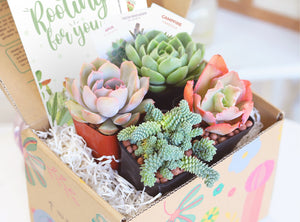
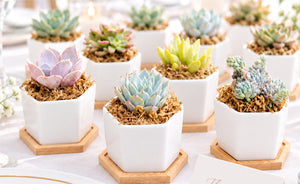
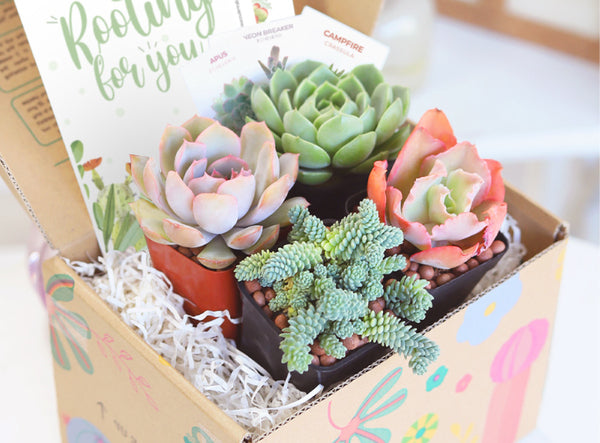
Repotting is crucial for succulent health, promoting better soil quality, drainage, and root growth. While spring and summer are traditionally preferred for repotting due to active growth, winter repotting can be acceptable if done carefully and for specific reasons like root binding or soil issues. Preparation, proper handling, and cautious watering post-repotting are essential steps to ensure a successful winter repotting process without causing undue stress to the plants.
Philodendron ‘Golden Crocodile’ is a striking tropical houseplant known for its bold, textured leaves and vibrant golden-green color. Loved for both its dramatic look and easygoing nature, this plant is a great choice for indoor gardeners at any level. With the right balance of light, water, and warmth, Golden Crocodile grows steadily and becomes a standout feature in any space. This care guide walks you through simple, practical tips to help your plant stay healthy, full, and thriving year-round.
This January Succulent Subscription Box Care Guide is designed to start the new year with a fresh selection of succulents and clear, practical care guidance. From light and watering basics to soil preferences, this guide helps each plant settle in and grow with confidence.
Our January box features Cotyledon orbiculata ‘Oophylla’, Graptopetalum ‘Purple Delight’, Sedeveria ‘Letizia’, Crassula cotyledonis, and Tillandsia melanocrater ‘Tricolor’, offering a balanced mix of colors, textures, and growth habits. Whether you are expanding your collection or exploring new varieties, this guide supports easy care while highlighting the natural beauty these plants bring to everyday spaces.
Chinese Evergreen 'Lady Valentine' is a popular indoor plant known for its vibrant pink and green foliage, requiring bright, indirect light and consistent watering to thrive. This hardy plant prefers warm temperatures and moderate humidity levels, growing best in a well-draining potting mix and benefiting from balanced fertilization during the active growing season. While easy to care for, 'Lady Valentine' is toxic if ingested and may require occasional pruning to maintain a tidy appearance and encourage healthy new growth.
In summary, Chinese Evergreen 'Lady Valentine' is a visually striking and resilient indoor plant that thrives in warm, stable environments with bright, indirect light and moderate humidity levels. Proper watering, soil, and fertilizer management are essential for its growth, while toxicity precautions and occasional pruning help maintain its health and appearance.
Euphorbia lactea ‘Ghost’ is a visually striking succulent prized for its pale stems, though it's not a true cactus but a member of the Euphorbiaceae family. Key care considerations include providing bright, indirect light to support the grafted plant, maintaining a "soak and dry" watering approach to prevent root issues, ensuring stable temperatures and humidity levels, using well-draining soil mixes, and being cautious of its toxic sap during handling.
To care for Euphorbia lactea ‘Ghost’, offer bright, indirect light, maintain a "soak and dry" watering approach, provide stable temperatures and humidity levels, use well-draining soil, and handle the toxic sap with caution to prevent potential health issues.
Ponytail Palm, scientifically known as Beaucarnea recurvata, is valued for its distinctive swollen trunk and long, arching green leaves, giving it a bold yet elegant appearance. Native to the dry regions of Mexico, this care guide covers essential aspects such as lighting, watering habits, temperature, and humidity to support healthy growth. It also provides useful information on soil and fertilizer requirements, its non-toxic nature, and additional care tips including potting, repotting, propagation through offshoots or seeds, pruning, and common problems such as yellowing leaves, brown tips, pests, and root rot, offering a complete reference for growing Ponytail Palm as an indoor plant.
Calathea ornata, known as the Pinstripe Calathea, is admired for its dark green leaves with delicate pink lines, originating from the forest floors of South America. This care guide highlights key factors like lighting, watering, temperature, and humidity requirements to maintain the plant's health and beauty. Additional insights cover soil and fertilizer needs, non-toxicity, extra care tips including potting, repotting, propagation through division, pruning, and common issues like brown tips, pests, and leaf discoloration, providing a comprehensive resource for cultivating this decorative plant indoors.
The Madagascar Palm, also known as Pachypodium lamerei, is a striking succulent that thrives in bright light, well-draining soil, and infrequent watering. Its adaptations to harsh, dry conditions make it a hardy plant, but it requires gradual acclimation to sunlight to prevent sunburn. Understanding its natural habitat in Madagascar is key to providing proper care, including appropriate lighting, watering, temperature, humidity, soil, and fertilization. Additionally, precautions should be taken due to its toxic sap, and propagation through seeds is the recommended method for reproduction. Regular monitoring for common issues like overwatering, pests, and lighting deficiencies can help ensure the plant's health and longevity.
Mealybugs are common pests that can rapidly multiply and weaken plants by feeding on their sap, causing yellowing, wilting, and even plant death if left untreated. These soft-bodied insects are challenging to eradicate due to their protective wax coating, hidden locations in plant crevices, rapid reproduction, and mutualistic relationship with ants. Effective control methods include physical removal, natural remedies like neem oil, chemical treatments, predatory insects, traps, beneficial fungi, and diatomaceous earth. Regular inspection, isolation of new plants, soil replacement, and eco-friendly treatments are key to preventing and managing mealybug infestations.
Rhaphidophora Tetrasperma, often called Monstera Minima, is a fast-growing tropical vine loved for its split leaves and compact size. Despite its nickname, it isn’t a true Monstera, but it shares a similar lush, climbing look. This plant thrives in bright, indirect light and adapts well to indoor environments. With the right balance of watering and well-draining soil, it can grow quickly and stay healthy year-round. Providing a moss pole or support helps encourage larger leaves and stronger growth. Regular pruning keeps the plant full and prevents it from becoming leggy. Rhaphidophora Tetrasperma is also relatively low maintenance, making it ideal for both beginners and experienced plant parents. With proper care, it adds a vibrant, tropical feel to any space.
Introducing the December 2025 Succulent Subscription Box Care Guide, created to highlight this month’s beautiful selection and provide simple, effective care tips for each plant. From light and watering needs to soil preferences and beginner-friendly propagation advice, this guide offers everything needed to help each succulent stay healthy and vibrant.
This month features Crassula rubricaulis ‘Candy Cane,’ Echeveria compressicaulis, Echeveria ‘Cubic Frost,’ and Crassula rupestris var. monticola, a delightful mix of forms and colors. Whether expanding a collection or just exploring the world of succulents, this guide supports confident care and showcases the natural charm these plants bring to any space.
The Hoya Rope Plant, also known as Hoya carnosa ‘Compacta,’ is a visually striking houseplant that features thick, glossy leaves growing in twisted curls on rope-like vines, capable of producing fragrant star-shaped blooms. This low-maintenance plant thrives with proper light, watering, and humidity, and care guidelines include lighting requirements for indirect sunlight, deep watering to prevent root rot, and maintaining consistent warmth and moderate to high humidity levels for healthy growth. Propagation from stem cuttings, pruning to maintain shape and promote flowering, and watching for common issues such as overwatering and pest infestations are essential for nurturing a vibrant and blooming Hoya Rope Plant in indoor environments.