Bromeliads are vibrant tropical plants that are surprisingly easy to care for indoors. This guide covers everything from lighting and watering to propagation and common problems. Whether you are a beginner or an experienced plant lover, you will learn how to keep your bromeliad healthy and thriving. Discover simple tips to help your plant grow beautifully in any space.
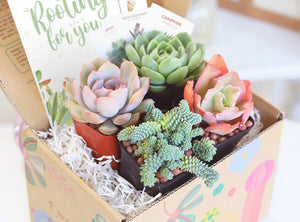
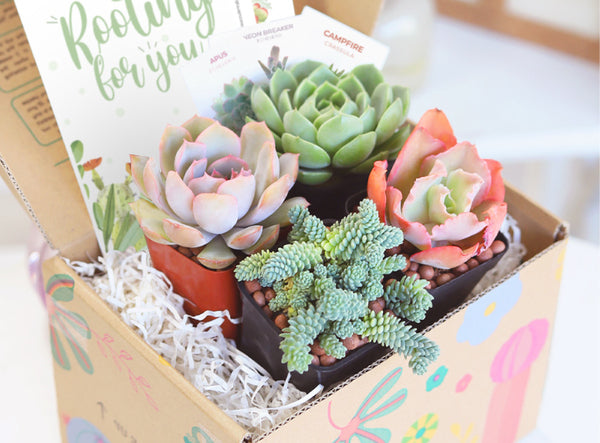
Our April Succulent Subscription Box Care Guide is here to help you welcome your new plants with ease and confidence. Inside, you’ll find simple, practical tips on light, watering, and soil, everything you need to help each plant adjust smoothly and thrive in its new home.
This month’s box features Haworthia attenuata ‘Enon’, Pachyveria ‘Clavifolia’, Echeveria ‘Marrom’, Sedeveria ‘Sorrento’, and Tillandsia Fuchsii. From bold textures and compact rosettes to delicate air plants, this thoughtfully curated selection adds charm and diversity to any space. Whether you’re just starting out or growing your collection, this guide will support you every step of the way.
Discover 5 powerful Feng Shui plants that can attract luck, wealth, and positive energy into your home. From the iconic Money Tree to the calming Calathea, each plant carries unique meaning and benefits. These easy-care houseplants are perfect for both beginners and experienced plant lovers. Learn how to choose and place them to create a more balanced and prosperous living space.
Sempervivum ‘Stefan’ is a hardy, eye-catching succulent known for its colorful rosettes and easy-care nature. Native to Europe and part of the Crassulaceae family, this “hens and chicks” variety thrives with minimal attention. Whether grown indoors or outdoors, it’s perfect for beginners and collectors alike. Learn how to keep your plant healthy and vibrant with simple care tips.
Paper Spine Cactus is a distinctive cactus known for its soft, papery spines and segmented growth. This low-maintenance plant thrives in bright light and requires minimal watering, making it perfect for cactus lovers. Its unusual texture adds visual interest to any indoor plant collection. With proper care, it can grow steadily and remain healthy year-round. Read the full guide to learn how to care for this unique cactus.
Kalanchoe tomentosa ‘Teddy Bear’ is a soft, velvety succulent admired for its fuzzy leaves and warm-toned edges. This compact plant is easy to care for and thrives in bright indoor spaces. Its drought-tolerant nature makes it ideal for low-maintenance plant lovers. With the right light and watering routine, it can stay healthy and attractive year-round. Read the full guide to learn how to care for this cozy and unique succulent.
Calathea ‘Makoyana’, also known as the Peacock Plant, is admired for its elegant leaves marked with intricate feather-like patterns. This tropical houseplant thrives in warm, humid environments and bright, indirect light. Its decorative foliage makes it a popular choice for indoor plant lovers seeking something unique. With the right balance of moisture and humidity, it can remain lush and vibrant year-round. Read the full guide to learn how to keep your Calathea ‘Makoyana’ thriving indoors.
Calla Lily is admired for its elegant, trumpet-shaped blooms and lush green foliage. This beautiful flowering plant thrives in bright, indirect light and consistently moist soil. With the right balance of light, water, and warmth, Calla Lilies can produce stunning blooms during their growing season. They are a popular choice for both indoor décor and garden displays. Learn more in this guide to help your Calla Lily grow healthy and vibrant.
Crown of Thorns is a resilient succulent known for its thorny stems and long-lasting colorful blooms. Native to Madagascar, this plant thrives in bright light and warm conditions, making it a great choice for sunny indoor spaces. Its drought-tolerant nature means it prefers less frequent watering compared to many houseplants. With the right environment, it can bloom throughout much of the year. Read the full guide to learn how to help your Crown of Thorns grow strong and vibrant.
Chinese Evergreen ‘Silver Bay’ is a striking houseplant loved for its silvery-green foliage and easygoing nature. This adaptable tropical plant thrives in typical indoor environments and is well suited for beginners or busy plant lovers. Its elegant leaves can brighten low to medium light spaces while requiring minimal maintenance. With the right balance of light, watering, and warmth, it can stay lush and healthy for years. Read the full guide to learn how to keep your Chinese Evergreen ‘Silver Bay’ thriving indoors.
Our March Succulent Subscription Box Care Guide is designed to help you welcome your new plants with confidence. Inside, you will find simple and practical care tips covering light, watering, and soil to ensure each plant settles in comfortably and thrives in its new home.
This month’s box includes Echeveria Hercules, Rosary Vine, Woolly Senecio, Echeveria Melaco Brown Rose, and Tillandsia Caput Medusae. From sculpted rosettes and cascading vines to soft silvery textures and dramatic air plants, this curated selection brings variety and character to any space. No matter your experience level, this guide will support you every step of the way as you grow your collection.
Kalanchoe millotii is a charming succulent admired for its soft, velvety silver-green leaves and compact, branching form. Native to Madagascar, it adds gentle texture and subtle color to indoor plant collections. Its fuzzy foliage creates a unique, plush appearance that stands out among other succulents. Small and versatile, it fits beautifully on bright windowsills or shelves. Read the full blog to learn more about this distinctive and eye-catching plant.