





When you’re a beginner, plant care seems simple—just light, water, soil, and temperature. But as you get deeper into the world of plants, you quickly realize it takes more than that. Plants are living organisms, and just like any other life form, they can face attacks from outside forces. One of the biggest challenges plant owners deal with is pests, and among all plant pests, mealybugs are one of the most commonly seen and surprisingly difficult to get rid of completely. At first, you may not even notice them, but over time, they can spread rapidly, causing plants to decline in health, weaken, and even die if left untreated. Even after treatment, they often come back, making them a frustrating enemy for plant lovers.
If you've ever struggled with mealybugs, you’re not alone. But the good news is, there are effective ways to eliminate them and prevent future infestations. In this guide, we’ll go over everything you need to know—from identifying mealybugs, distinguishing them from other pests, understanding why they’re so stubborn, and finally, the best ways to get rid of them for good. Whether you’re dealing with a few or an overwhelming infestation, there’s a solution that will work for you!
What are Mealybugs?

Mealybugs are tiny, white, cotton-like pests that appear on plant stems, leaves, and roots.
Image by WSU
Mealybugs are sap-sucking insects that belong to the Pseudococcidae family, commonly found on houseplants, succulents, and garden plants. These tiny pests get their name from the white, powdery, or cotton-like wax that covers their bodies, which serves as protection from predators and chemical treatments. Unlike many other pests, mealybugs are soft-bodied and slow-moving, often clustering in hard-to-see areas like leaf axils, stems, and even roots.
While they may look harmless at first, mealybugs multiply quickly and weaken plants by feeding on their sap, stealing essential nutrients, and stunting growth. A heavy infestation can cause leaf yellowing, wilting, and even plant death if left untreated. Additionally, as they feed, mealybugs excrete a sticky substance called honeydew, which attracts ants and promotes the growth of sooty mold, further harming the plant.
Unlike aphids or spider mites, which often target soft new growth, mealybugs infest a wide range of plant types, including succulents, tropical houseplants, fruit trees, and outdoor ornamentals. Some species even live in the soil, attacking plant roots and making detection more difficult. Their ability to hide in plant crevices, under leaves, and below the soil surface makes them particularly challenging to eliminate completely.
Signs of Mealybugs vs. Other Pests

Mealybugs start as tiny, cotton-like patches on stems, leaf joints, and undersides of leaves, often going unnoticed early on.
Image by Wallygrow
Mealybugs often go unnoticed in the early stages of an infestation, appearing as small cotton-like patches along stems, leaf joints, and undersides of leaves. These clusters are colonies of pests covered in a protective wax that makes them resistant to treatments. As they suck sap from plants, leaves turn yellow, growth slows, and in severe cases, plants wilt and decline. Their sticky honeydew secretion creates a shiny coating on leaves, attracts ants, and leads to sooty mold, further damaging the plant.
While these symptoms suggest mealybugs, other pests can cause similar damage. Aphids also cluster on plants but are soft-bodied, faster-moving, and come in various colors. Their feeding often results in curled or distorted leaves, which mealybugs don’t cause. Scale insects, on the other hand, appear as hard, immobile bumps on stems and lack the cottony texture of mealybugs.

Fungus gnats are tiny black flies whose larvae damage roots in moist soil.
Image by Southern Living
If small black flies hover around your plants, fungus gnats may be the issue rather than mealybugs. Fungus gnat larvae feed on roots in moist soil, causing slow growth and root rot, but they don’t leave a sticky residue or cottony masses. Spider mites, another sap-sucking pest, leave behind fine webbing and cause leaves to develop tiny speckled patches, but they are too small to resemble mealybugs.
Root mealybugs are harder to detect because they live in the soil instead of on leaves. They create white, cottony masses around plant roots, often mistaken for mold or perlite. These pests cause wilting, yellowing, and stunted growth, mimicking root rot. They usually go unnoticed until the plant is repotted. Identifying the correct pest early is key to choosing the right treatment and preventing further damage.
Why Is It Difficult to Get Rid of Mealybugs?
Mealybugs are one of the most stubborn plant pests, often returning even after multiple treatments. Unlike other insects that can be controlled with a single spray or wash, mealybugs have several traits that make them particularly hard to eliminate.
Firstly, their protective waxy coating repels water-based treatments and prevents insecticides from penetrating their soft bodies. Many sprays simply slide off, requiring repeated applications. Even when a treatment seems effective, some mealybugs may survive under this shield and continue feeding on the plant.

Mealybugs resist treatment due to their waxy coating, hidden spots, fast reproduction, and ant protection.
Image by Yates Australia
Moreover, mealybugs also hide in hard-to-reach places, such as leaf axils, stem crevices, and undersides of leaves. Some even burrow into the base of the plant or soil, making them difficult to detect until serious damage has occurred. Root mealybugs, in particular, weaken plants from below, going unnoticed until repotting.
Another problem is that, their rapid reproduction makes infestations even harder to control. Some species lay hundreds of eggs at a time, hidden inside their cottony nests, while others give birth to live nymphs that immediately begin feeding. Since their eggs and nymphs are tiny, they are often missed during treatment, leading to reinfestation.
Additionally, mealybugs also have a mutual relationship with ants, which feed on the sugary honeydew they excrete. In return, ants protect them from predators and even spread them to other parts of the plant. This makes infestations even harder to manage, as simply killing mealybugs isn’t enough—controlling the ant population is also necessary to prevent them from moving pests around.
Last but not least, mealybugs are highly adaptable and they can survive in both indoor and outdoor environments, thriving in warm, humid conditions but also enduring drier climates. Even after treatment, they can hide in nearby plants, pots, or soil, waiting for the right conditions to return.
8 Ways to Get Rid of Mealybugs
To effectively get rid of mealybugs, a combination of treatments is often necessary. Here are eight effective methods that can help eliminate mealybugs and prevent them from coming back.
1. Water Removal

Water can wash away mealybugs from sturdy plants, but it doesn’t kill them, so repeated treatment is needed.
Image by Green Matters
For mild infestations, physically removing mealybugs with a strong stream of water is an effective first step in pest control. A direct blast of water can knock the pests off the plant’s surface, reducing their numbers before they have a chance to spread further. This method works best for sturdy plants such as succulents, cacti, or larger houseplants with thick leaves and stems that can withstand the force of the water. For indoor plants, rinsing them in the sink, bathtub, or shower can help wash away the pests, while outdoor plants can be sprayed using a garden hose.
While washing removes many mealybugs, it does not kill them, meaning that those dislodged may attempt to crawl back onto the plant or move to neighboring plants. Additionally, hidden mealybugs in leaf axils, crevices, and under leaves may remain unaffected. For this reason, water removal should be repeated every few days, ensuring that any remaining or newly hatched mealybugs are flushed away before they cause further damage. While this method is useful, it should be combined with other treatments, as it is rarely enough on its own to completely eradicate an infestation.
2. Natural Remedies

Homemade treatments like chili spray, coffee grounds, and essential oils repel or kill mealybugs naturally.
Image by PlantIn
Homemade treatments can be an effective and gentle alternative to chemical insecticides. Several natural ingredients act as repellents or mild insecticides that disrupt mealybugs’ ability to thrive on plants. Chili spray works by creating an irritating surface that makes the plant less appealing for feeding. Coffee grounds have mild acidity and caffeine content that deter mealybugs and prevent them from establishing a colony. Essential oils such as peppermint, clove, and cinnamon interfere with their nervous system and act as natural insecticides, killing mealybugs over time.
Neem oil is one of the most effective natural remedies for mealybugs. It works by disrupting their growth and reproduction, preventing them from maturing and laying eggs. This organic pesticide is widely used in gardening because it also repels other pests, such as aphids and spider mites. To use neem oil, it should be diluted with water and sprayed on all plant surfaces, including the undersides of leaves.
Consistent applications are necessary for the best results, as neem oil works gradually rather than instantly. Regular monitoring ensures that any potential reinfestations are quickly dealt with before they become a larger problem.
3. Chemical Methods
For a more direct and fast-acting solution, chemical treatments such as isopropyl alcohol and hydrogen peroxide can be used to kill mealybugs on contact. Isopropyl alcohol (70%) is particularly effective in breaking down the mealybugs’ waxy coating, dehydrating them almost immediately. A cotton swab dipped in alcohol can be applied directly onto visible mealybugs, or a diluted alcohol solution can be sprayed over larger affected areas. However, since alcohol can sometimes damage sensitive plants, it’s best to test it on a small section first.
Hydrogen peroxide works similarly to alcohol but is often used as a soil drench to kill root mealybugs that infest plant roots. Mixing hydrogen peroxide with water and pouring it into the soil can eliminate hidden pests that are otherwise difficult to detect. Repeated applications over a few weeks may be necessary, as mealybug eggs or newly hatched nymphs can continue the infestation if left untreated.
4. Insecticides
For large-scale or severe infestations, insecticides provide a stronger approach to eliminating mealybugs. There are two types: systemic and contact insecticides. Systemic insecticides work by being absorbed into the plant, making the sap toxic to mealybugs when they feed. These are especially useful for root mealybugs, which remain hidden in the soil and are difficult to remove manually. Contact insecticides, such as pyrethrin-based sprays, kill mealybugs upon direct exposure. These sprays should be applied thoroughly over the entire plant, ensuring that no hidden pests are left behind.
While insecticides can be highly effective, they should be used cautiously. Broad-spectrum insecticides can harm beneficial insects such as pollinators, which play a crucial role in plant health. Using targeted insecticides designed for mealybugs and following all application guidelines can minimize unintended environmental impact. Additionally, applying insecticides outdoors or in well-ventilated areas can prevent inhalation of harmful chemicals.
5. Predatory Insects

Introducing natural predators is a chemical-free and sustainable way to control mealybug populations in gardens and greenhouses. Several beneficial insects actively feed on mealybugs, helping to keep infestations under control. Ladybugs and lacewings are known to consume large numbers of mealybugs, making them useful for mild infestations. Mealybug destroyer beetles (Cryptolaemus montrouzieri) are specialized predators that specifically target mealybugs and can effectively wipe out colonies over time.
Parasitic wasps like Leptomastix dactylopii offer another biological control method. These tiny wasps lay their eggs inside mealybugs, stopping their ability to reproduce. As the wasp larvae develop, they feed on the mealybug from the inside out, gradually reducing the infestation. Although predatory insects take longer to show results compared to sprays, they are an excellent long-term solution that prevents future infestations without harming the environment.
6. Mealybug Traps
Pheromone-based sticky traps are designed to capture male winged mealybugs, preventing them from mating and slowing the reproduction cycle. These traps use a synthetic version of female mealybug pheromones, which attract males into the sticky surface, where they become trapped. By reducing the number of reproductive males, fewer eggs are laid, leading to a gradual decline in the infestation.
Mealybug traps are best used in greenhouses, outdoor gardens, or indoor plant collections, where infestations tend to occur frequently. While they do not eliminate existing mealybugs, they significantly reduce their ability to multiply, making them a useful supplementary tool when combined with other treatments.
7. Beneficial Fungi Treatment
Certain fungi species naturally infect and kill mealybugs, making fungal treatments an effective biological pest control method. Beauveria bassiana and Lecanicillium lecanii are two fungi that target mealybugs by penetrating their waxy coating and stopping their feeding. Once infected, mealybugs die within a few days, and the fungi continue spreading among the population, infecting more pests.
 |
 |
|
Beauveria Bassiana Image by Wikipedia |
Lecanicillium Lecanii Image by Science Source |
Fungal treatments work best in humid conditions, as moisture helps the fungi thrive and multiply. Many commercial bio-insecticides contain beneficial fungi, and when applied correctly, they offer a non-toxic and environmentally safe way to control mealybug infestations. Unlike chemical insecticides, beneficial fungi do not harm pollinators or other beneficial insects, making them an eco-friendly pest control option.
8. Diatomaceous Earth
Diatomaceous earth (DE) is a non-toxic, long-term solution for controlling mealybugs and preventing reinfestations. This fine powder, made from fossilized algae, dehydrates and kills soft-bodied pests like mealybugs upon contact. When sprinkled around the base of plants or dusted onto leaves, it creates a protective barrier, preventing mealybugs from climbing up the plant or laying eggs in the soil.

Diatomaceous earth dehydrates and kills mealybugs, preventing reinfestation while being safe for plants.
Image by Susan's in the garden
Since diatomaceous earth loses effectiveness when wet, it should be reapplied after watering or rainfall. Over time, it helps create an inhospitable environment for mealybugs, reducing the likelihood of reinfestation. When used alongside other pest control methods, diatomaceous earth acts as a preventative measure to keep plants pest-free.
Succulents Box Recommends:
Regular inspection is key to keeping plants healthy and preventing mealybug infestations from getting out of control. Check plants frequently, especially in hidden areas like leaf axils, stem joints, and the undersides of leaves, where mealybugs tend to hide. Early detection makes treatment much easier and prevents the spread to other plants.
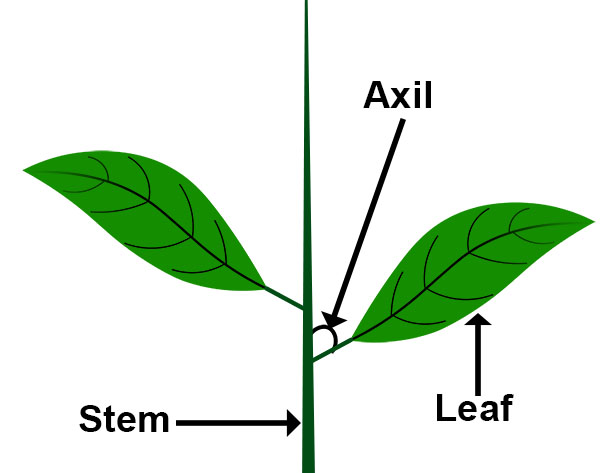
Mealybugs often hide in leaf axils, under leaves, and along stems, making them difficult to spot at firs
Image by Adirondack Nature
Isolating new plants before introducing them to your collection is an essential step in pest prevention. Mealybugs can hitch a ride on newly purchased plants, so keeping them separate for at least two weeks allows time to inspect for any signs of infestation. Likewise, if a plant is already infested, immediately move it away from others to stop mealybugs from spreading.
Replacing old soil and pruning off heavily infested plant parts can significantly reduce mealybug populations. Mealybugs, especially root mealybugs, can hide in the soil, making repotting with fresh, clean soil an effective way to eliminate them. When pruning, dispose of infested leaves and stems far away from your plants to prevent reinfestation.
Whenever possible, try natural remedies before resorting to chemical treatments. Organic methods like neem oil, essential oils, and beneficial fungi can effectively control mealybugs without harming the environment. Using chemicals sparingly helps protect beneficial insects, pollinators, and the overall ecosystem. By combining regular inspections, quarantine measures, soil replacement, and environmentally friendly treatments, plants can stay healthy and free from persistent mealybug infestations.
Watch the video below (and subscribe to our YouTube channel for more great videos) to know How to get rid of mealybugs on succulents!


