


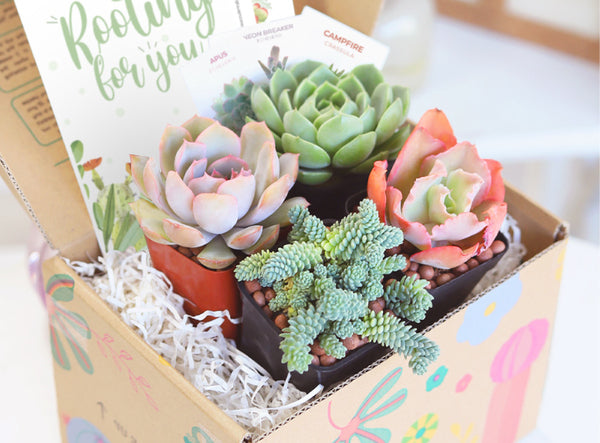
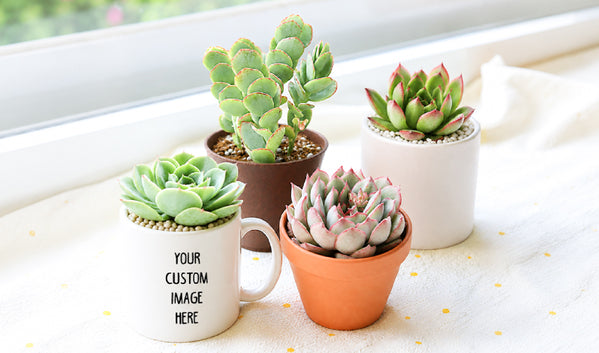



The Crassula Campfire, scientifically known as Crassula capitella Campfire, is one of those rare succulents that seem to glow with their own inner light. Its fleshy, pointed leaves form dense rosettes that cascade over time, shifting in color from fresh lime green to deep orange and fiery red when bathed in sunlight. This natural gradient gives the plant its fitting nickname, Campfire, resembling glowing embers at dusk.
Native to South Africa, the Crassula Campfire is a hardy and low-maintenance succulent that thrives in warm, dry environments. It’s beloved not only for its vivid color transformation but also for its versatility. Whether grown in containers, rock gardens, or as a trailing accent in hanging pots, this plant instantly adds a pop of tropical vibrancy to any space. Its compact growth habit makes it ideal for small apartments, sunny balconies, or even as part of a larger succulent arrangement.
Beyond its beauty, the Crassula Campfire is also known for its resilience and easy-care nature, perfect for both beginners and experienced plant lovers. With proper sunlight, well-draining soil, and the right watering routine, this fiery succulent can flourish year-round, rewarding you with ever-changing hues that reflect the rhythm of the seasons.

LIGHTING
Light is the key factor in achieving the vivid red tones that make the Crassula Campfire so captivating. This succulent thrives in full sun to partial shade, preferring at least four to six hours of bright sunlight each day.
Outdoors, it performs best in a sunny spot with some afternoon shade to prevent sunburn during extreme heat. When grown indoors, place it near a south- or west-facing window where it can receive abundant natural light. If sunlight is limited, you can supplement with a grow light to maintain its color and compact shape. Without enough light, the leaves may remain green and lose their characteristic fiery hue.
WATERING
Crassula Campfire thrives on minimal watering and adapts beautifully to dry, sandy soil conditions. The key to keeping this succulent healthy is allowing the soil to dry out completely before watering again. Overly moist soil can quickly lead to root rot, while occasional dryness helps strengthen the roots and enhance the plant’s vivid coloration. During the growing season, usually spring through early autumn, water thoroughly but infrequently, typically once every one to two weeks, depending on temperature and humidity. In cooler months, reduce watering significantly, as the plant’s growth slows and it needs less moisture.
Watch for signs of overwatering, such as leaves curling downward, shifting from green to reddish-brown, or dropping prematurely. These are indicators that the roots are sitting in excess water. To prevent this, always check the soil before watering by feeling the top layer with your fingers. If it still feels slightly damp, wait a few more days before watering again. Crassula Campfire is far more tolerant of underwatering than overwatering, and giving it time to dry out between waterings will help it stay vibrant and healthy year-round.
SOIL AND FERTILIZER
A well-draining soil mix is essential for keeping your Crassula Campfire healthy and vibrant. This succulent does best in a light, porous mix that allows excess water to drain quickly, preventing the roots from sitting in moisture. A standard cactus or succulent potting mix works perfectly, or you can create your own by blending regular potting soil with coarse sand, perlite, or pumice. This combination ensures the soil stays airy and dry between waterings, mimicking the plant’s natural habitat and reducing the risk of root rot.
When it comes to fertilizing, Crassula Campfire is not a heavy feeder. During the growing season, typically spring through early fall, fertilizing every few months is enough to encourage healthy growth and enhance its fiery red coloration. An organic fertilizer diluted to half-strength is ideal, providing a gentle nutrient boost without overwhelming the roots. Plants grown outdoors in full sun usually need even less frequent feeding since they naturally receive more energy from sunlight.
If your plant has been outdoors for a while and starts losing leaves or turning yellow, it may be signaling a nutrient deficiency. In this case, apply a weak fertilizer solution to help restore vitality and prevent further damage. For plants growing in low-light areas or shaded indoor spaces, reapply a mild feed every week or two to maintain steady growth. Always avoid fertilizing during winter, when your Crassula Campfire enters dormancy, as the plant will not actively absorb nutrients during this period.
TEMPERATURE AND HUMIDITY
Crassula Campfire thrives in warm, dry environments that resemble its native habitat in southern Africa. It prefers daytime temperatures between 65°F and 80°F, while cooler nights around 50°F help the plant rest and conserve energy. Although this succulent can tolerate brief drops close to 30°F, it is not frost-hardy and should be protected from freezing temperatures or cold drafts, which can damage its leaves and roots. If you live in an area with harsh winters, it’s best to bring your plant indoors or keep it in a greenhouse where temperatures remain stable.
In terms of humidity, Crassula Campfire grows best in moderate indoor conditions ranging between 40% and 60%. This balance allows the plant to retain its natural moisture levels without becoming stressed. In overly dry indoor environments, the plant can absorb small amounts of moisture through its leaves and stems, helping it adapt temporarily. However, excess humidity or stagnant air can quickly lead to fungal issues and root rot. To keep your plant healthy, maintain good airflow around it and avoid misting. A bright, airy location with low to moderate humidity will keep your Crassula Campfire vibrant and thriving year-round.
TOXICITY
While the Crassula Campfire is a stunning plant with its fiery red and orange hues, it’s important to know that, like many members of the Crassula family, it is considered mildly toxic if ingested by pets or humans. The plant contains compounds that can cause gastrointestinal discomfort such as vomiting, nausea, or irritation in cats, dogs, and even small children if eaten in noticeable amounts.
Although the plant’s toxicity is rarely severe, curious pets and toddlers might be tempted by its bright, colorful leaves, so it’s best to keep your Crassula Campfire out of reach. Place it on a high shelf, windowsill, or hanging planter where it can be admired safely without risk. If you suspect your pet or child has ingested part of the plant, it’s always wise to seek professional advice from a veterinarian or healthcare provider immediately.

Image by Succulents Box
EXTRA CARE
POTTING AND REPORTING
Crassula Campfire is a hardy succulent that doesn’t require frequent repotting. Its deep, sturdy roots allow it to stay in the same container for up to two years without issue, making it a low-maintenance choice for busy plant lovers. Over time, however, the plant may become root-bound or begin to outgrow its pot, signaling that it’s time for a refresh. Repotting every two to three years not only gives the roots more room to expand but also helps replenish nutrients in the soil and encourage healthy new growth.
When choosing a container, opt for one with drainage holes to prevent excess water from accumulating at the bottom. This species thrives when its roots have access to just the right amount of moisture — enough to stay hydrated but never sitting in soggy soil. A ceramic or terracotta pot is ideal because it allows better airflow around the roots.
To repot, gently remove the Crassula Campfire from its old pot and shake off any compacted soil. Examine the roots carefully, trimming away any that appear damaged or rotted. If the plant has become heavily root-bound, consider moving it to a pot that is one or two inches larger in diameter, and add fresh, well-draining succulent mix around the root ball. You can also take a few healthy leaf cuttings from the outer edges of the plant during the process to propagate new growth.
Once repotted, allow the plant to settle for several days before watering. This gives any trimmed roots time to heal and reduces the risk of rot. With a properly sized pot, healthy soil, and good drainage, your Crassula Campfire will continue to grow vigorously and maintain its brilliant, fiery hues year after year.
PRUNING
Regular pruning helps your Crassula Campfire stay compact, vibrant, and healthy. This succulent naturally grows low and forms beautiful clumps, so it doesn’t require frequent or heavy pruning like some other Crassulas. In fact, it’s best to prune only when necessary, especially if you notice leggy stems, discolored leaves, or sections that are becoming too crowded.
If you prefer a bushier, small shrub look, light trimming can encourage branching and fuller growth. For a ground cover style, pruning can be done less often. When trimming, cut the top off a branch and leave at least one node at the end, as this helps new stems branch out from that node.
Always remove dead or dying leaves by cutting them back to the nearest healthy buds, and be careful not to over prune, as excessive cutting may cause the plant to become leggy. Always use sterilized scissors or pruning shears to prevent transferring bacteria or fungi between plants. A little care goes a long way toward keeping your Crassula Campfire lush, colorful, and beautifully shaped.

Image by Succulents Box
PROPAGATION
One of the joys of growing Crassula Campfire is how easily it can be propagated, making it a favorite among succulent lovers. This colorful plant can be propagated through leaf cuttings, stem cuttings, or seeds, each offering a rewarding way to grow new plants from an existing one.
For leaf cuttings, gently twist or cut off a healthy leaf from the base of the mother plant, ensuring that the entire leaf is intact. Place it in a dry area for a few days to allow the cut end to form a callous, then plant it upright in a pot filled with well-draining soil. Keep the soil slightly moist—never soggy—by watering about once a week, and provide bright, indirect light. If the cutting doesn’t root within a few weeks, it may mean that the environmental conditions are not ideal. Rooting time can vary from one to six months, depending on humidity, temperature, and light exposure. Avoid exposing calloused leaves to direct sunlight, as it may cause scorched or wilted spots. With a little patience and care, leaf propagation can be highly rewarding, producing small, healthy new plants that will soon display their signature red and green hues.
Stem cuttings are another easy and reliable propagation method. Choose a healthy stem with at least two to three leaf nodes and cut it cleanly using sterilized scissors. Let the cutting rest in a dry place for a few days until the cut end forms a protective callous. When ready, plant it in well-draining soil with the bottom nodes just below the surface. Mist lightly until roots begin to form, then gradually transition to a normal watering schedule once the plant is established. This method tends to root faster than leaf cuttings and produces a more mature-looking plant in a shorter time.
Propagation through seeds is less common but can be a fun and fulfilling process for patient gardeners. To grow Crassula Campfire from seeds, sprinkle them over well-draining sandy soil and lightly cover them with a thin layer of soil—about three inches deep. Place the container in a bright spot with no more than four hours of direct sunlight per day. Keep the soil slightly moist but never waterlogged, and within two weeks, you should notice small sprouts emerging. Once the seedlings reach about four inches in height, they can be carefully transplanted into their own pots, where they will continue to grow and mature.
PESTS AND DISEASES
The Crassula Campfire is a hardy and relatively pest-free succulent, but it’s still important to keep an eye out for a few common issues. One of the main pests that may target this plant is the mealybug — small, white insects with a cottony or wool-like texture that tend to hide on the undersides of leaves, at stem joints, and in spots where water collects. These pests feed on the plant’s sap, weakening it and sometimes causing sticky residue or yellowing leaves.
If you spot mealybugs, act quickly before they spread. Gently wipe the affected areas with a cotton pad dipped in rubbing alcohol, or use an insecticidal soap or diluted neem oil spray to eliminate them. Regularly cleaning your plant’s leaves is also a great preventative habit — it keeps pests from settling and ensures your Campfire stays healthy and vibrant.
Aside from pests, fungal infections can also occur, especially if the plant is overwatered or exposed to excessive humidity. Symptoms include wilting, spots, or yellowing leaves. If you notice signs of fungus, treat the plant by dipping it in an antifungal solution once a week for about three weeks. Make sure to check nearby plants too, and remove any infected ones to prevent the fungus from spreading.
As always, good airflow, bright indirect sunlight, and proper watering are your best defenses against most problems. With a little attention, your Crassula Campfire will stay resilient, colorful, and pest-free year-round.


