Syngonium, also known as the Arrowhead Plant, is a graceful tropical houseplant cherished for its lush, arrow-shaped leaves and easy-going nature. Native to the tropical rainforests of Central and South America, this versatile beauty thrives in warm, humid environments and adapts effortlessly to life indoors. When healthy, its foliage showcases a captivating mix of green, cream, and sometimes pink or silvery hues, adding a touch of freshness and sophistication to any corner of your home. Its trailing or climbing growth habit makes it perfect for hanging baskets, decorative pots, or even trained up a moss pole for a more dramatic display.
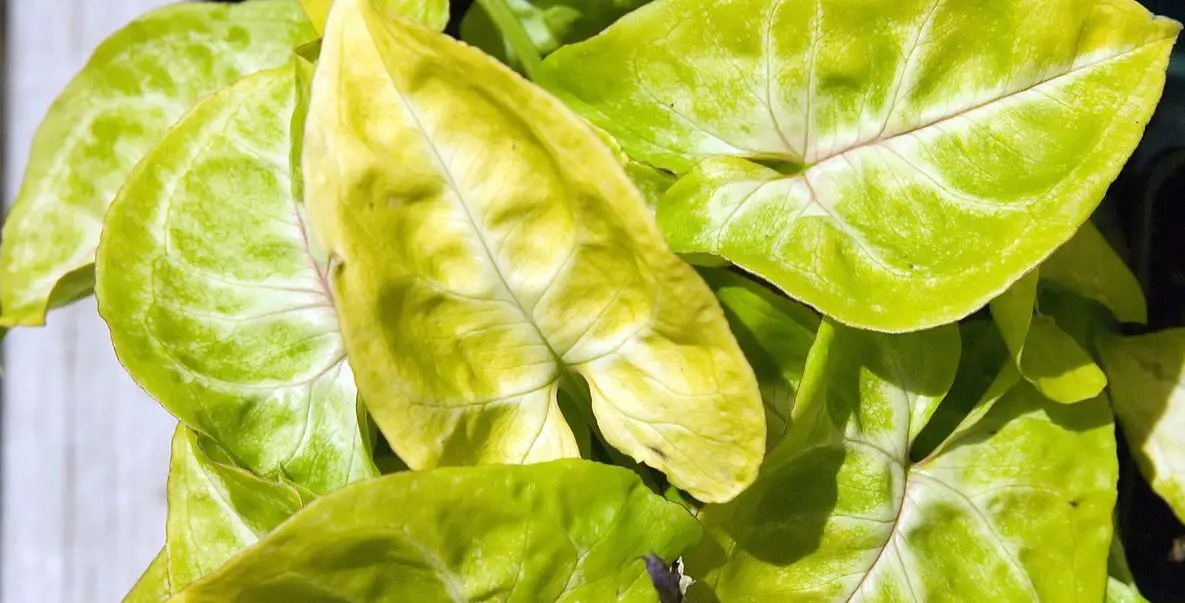
However, when those once lively leaves begin to fade, yellow, or develop brown patches, it can be a sign that your Syngonium is under stress. These subtle changes in color aren’t merely aesthetic concerns, they’re your plant’s natural way of signaling that something in its care routine or environment isn’t quite right. From lighting imbalances to watering mistakes or even nutrient deficiencies, several factors can disrupt its vibrant appearance.
By paying attention to these early signs and understanding what they mean, you can quickly restore your Syngonium’s health and prevent further damage. In this blog, we’ll explore the most common reasons why Syngonium leaves change color and share essential care tips to help your plant stay lush, radiant, and thriving all year round. Whether you’re a beginner plant parent or a seasoned collector, this guide will help you understand your Syngonium’s needs and keep it growing beautifully in your indoor jungle.

Image by @ChrisStuhlsatz
LIGHTING ISSUES
Light is one of the first things to check when your Syngonium starts changing color. These tropical plants thrive in bright, indirect sunlight similar to what they’d receive under the canopy of taller trees in their natural habitat. When your plant doesn’t get enough light, its leaves may start fading or turning yellow because it can’t photosynthesize efficiently. Light stress often shows through visible signs on the foliage. Yellowing mainly on one side usually indicates too much direct light, while pale yellow leaves across the plant suggest insufficient brightness. When light levels are consistently low, the plant may also develop leggy growth and produce fewer leaves as it stretches toward the nearest light source.
To address this, move your Syngonium to a brighter location where it can receive plenty of filtered light throughout the day. Avoid placing it under harsh, direct sunlight, as the leaves can easily scorch or develop brown, dry patches. A spot near a window with sheer curtains works beautifully, allowing soft, diffused light to reach the plant without damaging its delicate foliage. If your home doesn’t get enough natural light, consider using artificial grow lights to provide the brightness your Syngonium needs to stay healthy and vibrant.
The goal is to recreate the gentle, dappled sunlight of its tropical origins - a balance that keeps the leaves glowing with color and prevents fading or sunburn. If the light feels comfortable on your skin, it’s probably just right for your Syngonium.
WATERING PROBLEMS
Watering is often the most common culprit when your Syngonium’s leaves start turning yellow. These plants love moisture, but too much or too little water can both lead to stress and discoloration.
Overwatering is one of the leading causes of yellowing leaves. When the soil stays too wet for too long, the roots can suffocate and begin to rot, preventing the plant from absorbing nutrients properly. You can check for overwatering by inserting your finger about an inch into the soil. If it feels soggy or constantly damp, your Syngonium is likely getting too much water. To fix this, let the soil dry out before watering again. Moving forward, water only when the top inch of soil feels dry to the touch. It’s also crucial to make sure your pot has proper drainage holes so excess water can escape instead of sitting at the bottom. Using a well-draining mix, such as one that includes perlite or coco coir, will also help prevent waterlogging.
On the other hand, underwatering can cause the opposite problem, leaves that become dry, crispy, and eventually yellow or brown. If the soil feels dry even below the surface, your plant is probably thirsty. When watering, do so thoroughly until water starts draining out from the bottom of the pot, ensuring the roots are evenly hydrated. However, avoid letting your Syngonium sit in standing water, as this can quickly lead back to root rot.
The key is to find balance. Keep the soil consistently moist but never soaked. By tuning into your plant’s needs and checking the soil regularly, you can maintain that perfect level of hydration that keeps your Syngonium lush, vibrant, and healthy.
SOIL CONDITIONS
Healthy soil is the heart of every thriving Syngonium. When the soil becomes too compacted or heavy such as pure garden soil or clay-based mixes, roots can suffocate due to poor aeration. Over time, this can cause root rot, yellowing leaves, or stunted growth. You might also notice that the topsoil stays wet for days while the bottom becomes sour and dense. In such cases, it’s best to repot the plant into a fresh, lighter mix and trim any rotting roots.
The pH level of the soil also plays a subtle but important role. Syngonium prefers slightly acidic to neutral conditions, ideally between pH 5.5 and 7.0. When the soil is too alkaline, nutrients like iron and magnesium become less available to the roots, leading to pale, discolored foliage. Adding organic matter such as compost or worm castings can naturally rebalance pH while improving texture and fertility.
Repotting every 12–18 months not only refreshes the soil but also prevents the roots from becoming pot-bound. Choose a container with drainage holes and a diameter one or two inches larger than the current pot. Always use clean tools and avoid packing the soil too tightly, roots grow best when they can breathe. With healthy, well-aerated soil, your Syngonium’s roots will stay strong, supporting lush, vibrant foliage above.
HUMIDITY AND TEMPERATURE
Syngonium is a tropical native that thrives in warm, humid environments. Ideal temperatures range between 65°F and 85°F. Anything below 60°F can cause the plant to slow its metabolism, resulting in droopy or yellowing foliage. Exposure to cold drafts, air conditioning vents, or sudden temperature fluctuations can quickly stress the plant, especially during the cooler months. Keep Syngonium away from windows that get chilly at night, and avoid placing it directly under strong air circulation.
Humidity is just as essential. When levels drop below 50%, the leaves may develop brown edges or a dry, papery feel. Since most indoor environments, especially with heating or cooling, tend to be dry, it’s beneficial to increase humidity artificially. Misting occasionally helps, but for lasting results, consider using a humidifier or grouping plants together to create a shared microclimate. Another simple trick is placing the pot on a tray filled with water and pebbles; as the water evaporates, it naturally raises the humidity around the plant.
If you notice the foliage curling inward or new growth coming in dry and small, it’s often a sign that humidity levels are too low. Conversely, if the air is too moist and stagnant, fungal spots may appear. A small fan placed nearby (not directly on the plant) helps improve airflow and keeps fungal issues at bay.
NUTRIENT DEFICIENCY
Yellowing leaves in Syngonium can also be a sign of nutrient imbalance. When the plant lacks essential elements like nitrogen, iron, or magnesium, its foliage starts to lose its vibrant green color. Nitrogen deficiency usually causes older, lower leaves to turn pale or yellow, while iron deficiency often leads to interveinal yellowing, where the areas between the veins become light yellow but the veins themselves stay green. Magnesium deficiency, on the other hand, can create uneven yellow patches on mature leaves.
To help your Syngonium recover, feed it with a balanced, water-soluble fertilizer formulated for indoor plants. Follow the recommended dosage on the package, as over-fertilizing can damage the roots and worsen discoloration. If a specific nutrient deficiency is suspected, targeted supplements can be used to restore balance. With regular, moderate feeding during the growing season, your Syngonium will regain its lush green foliage and steady growth.
PETS AND DISEASES
While Syngonium plants are generally hardy and low-maintenance, they can still encounter pests and diseases, especially when environmental conditions are unbalanced. The most common troublemakers are sucking insects like spider mites, mealybugs, and scale. These pests feed on the plant’s sap, draining vital nutrients and leaving behind yellow, curled, or misshapen leaves. If you notice sticky residue (honeydew) or a thin film on your plant’s leaves, pests are likely the cause.
Early detection is key. Start by isolating the affected plant to prevent the pests from spreading to others. Wipe the leaves with a soft cloth dipped in diluted rubbing alcohol, or gently wash the plant with insecticidal soap or neem oil spray. Repeat every few days until no signs remain. For larger infestations, applying a horticultural oil or systemic insecticide may be necessary, though natural methods are always preferable when possible.
Beyond pests, Syngonium can also suffer from fungal and bacterial diseases, particularly in damp or stagnant conditions. Fungal infections may cause leaf spots, soft stems, or yellowing starting from the base of the plant. Bacterial issues often lead to translucent, mushy patches or foul-smelling roots. These problems typically arise from overwatering, poor drainage, or high humidity with limited airflow.
To prevent such issues, maintain good ventilation, avoid letting water sit on the leaves for long periods, and always use sterilized tools when pruning or repotting. If an infection appears, remove and discard affected leaves immediately. Treat the remaining plant with a gentle fungicide or bactericide, and replace the top layer of soil if contamination is suspected.
HOW TO KEEP YOUR SYNGONIUM GREEN AND HAPPY
Keeping your Syngonium vibrant isn’t just about routine care, it’s about paying attention to the small signals it gives. Slight changes in leaf color, growth direction, or texture can tell you exactly what your plant needs. When leaves grow paler, it might crave more light; when edges brown, perhaps humidity has dropped. Observing these quiet messages helps you fine-tune your care and nurture a plant that feels truly alive in your space.
Your Syngonium also responds beautifully to the rhythm of the seasons. During warmer months, it grows faster and may need more frequent watering and feeding, while in cooler months, it prefers to rest. Adjusting your routine accordingly ensures your plant stays strong year-round.
Beyond care, Syngonium adds calm and vitality to any room. Its cascading vines and elegant leaves make it a perfect accent for desks, shelves, or hanging baskets. You can even propagate a few cuttings and share them with friends, a simple yet meaningful way to spread a little greenery and joy.
When you care for your Syngonium with attention and patience, it rewards you not just with lush foliage but with a sense of connection to nature itself. Its shifting shades and gentle growth remind you to slow down and appreciate life’s quiet, green moments.