





Crassula Devil’s Horns is a striking and unusual succulent known for its long, twisted, horn-like leaves that spiral upward like miniature antlers. Native to South Africa, this plant is part of the Crassula family, the same group that includes the beloved Jade Plant. Its sculptural form and deep green tones make it a stunning addition to any succulent collection or minimalist home decor. Beyond its dramatic appearance, the Devil’s Horns is surprisingly low-maintenance, thriving on just a little sunlight, occasional watering, and well-draining soil. Whether you’re a seasoned plant collector or a beginner looking for something distinctive, this succulent is both easy to care for and effortlessly eye-catching.

Lighting
Crassula Devil’s Horns thrive in bright light, and getting this balance right is key to keeping its unusual, horn-like leaves healthy and vibrant. When grown indoors, it prefers bright, indirect light that mimics its natural desert habitat. Place your plant near a sunny window where it can soak up plenty of filtered sunlight throughout the day, such as an east- or west-facing window. Too much direct sun, especially during the hottest afternoon hours, can scorch the leaves, causing them to turn yellow or brown around the edges.
If you’re growing your Devil’s Horns outdoors, it can tolerate and even appreciate more direct sunlight, particularly in regions with mild to warm climates. Ideally, choose a spot that receives around four to six hours of direct sunlight per day, followed by some gentle shade during peak midday heat. Full sun will help bring out the plant’s characteristic red tones, but too much intense exposure can lead to sunburn or faded patches on the leaves.
A good rule of thumb is to let the plant’s appearance guide you. If the leaves begin to stretch or lose their color, it’s a sign they’re not getting enough light. On the other hand, if they turn red, brown, or feel crispy to the touch, they may be getting too much. Finding that sweet balance of bright, indirect light indoors and a mix of sun and shade outdoors will help your Crassula Devil’s Horns grow compact, colorful, and full of life.
Watering
Native to the dry landscapes of South Africa, Crassula Devil’s Horns has adapted to store water in its thick, fleshy leaves and stems, allowing it to thrive even during long periods without rain. Because of this, it prefers a careful watering routine that mimics its natural environment, one that alternates between dry spells and occasional deep drinks.
The key to keeping your Devil’s Horns happy is to water deeply but infrequently. Let the soil dry out completely between waterings before giving it a thorough soak. When you do water, ensure that the moisture reaches the roots and drains fully through the bottom of the pot. Standing water or constantly damp soil can easily lead to root rot, one of the most common problems for succulents. It’s best to avoid splashing water on the leaves, as moisture lingering on the surface can cause rot or fungal issues over time.
During the active growing season in spring and early summer, watering every two to three weeks is usually sufficient, though the exact frequency depends on your home’s temperature, humidity, and light levels. In hotter months, check the soil more often, but only water once the top few inches are bone dry. As fall and winter approach, the plant enters a semi-dormant phase and requires much less water, once a month or even less is enough to sustain it through the cooler season.
A good rule to remember is that it’s always safer to be underwater than overwater. Crassula Devil’s Horns is remarkably drought-tolerant and will recover more easily from a missed watering than from soggy soil. Keep an eye on the leaves, if they start to wrinkle slightly, it’s a sign your plant is ready for a drink. Finding this gentle rhythm will help your Devil’s Horns stay plump, healthy, and full of life all year long.
Soil and Fertilizer
Like most succulents, Crassula Devil’s Horns thrives best in a soil mix that drains quickly and keeps excess moisture away from its roots. Good drainage is essential - it’s what keeps this plant healthy, resilient, and free from root rot. A standard potting mix on its own is often too dense, so it’s best to lighten it up by blending in coarse sand, perlite, or pumice. These additions create small air pockets in the soil, helping roots breathe while ensuring that water passes through easily.
For optimal results, you can use a high-quality succulent or cactus mix, or make your own blend at home. If you want to give your plant a little extra boost, try using a specialized succulent mix enriched with natural substrates and mycorrhizae. These beneficial fungi promote a strong, healthy root system, improving nutrient absorption and long-term plant vitality, perfect for helping your Devil’s Horns flourish both indoors and out.
When it comes to feeding, this Crassula is not a heavy eater. A light dose of nutrients during the active growing season is all it needs. Fertilize once a year in spring using a balanced, water-soluble fertilizer (such as a 5-10-5 NPK formula), diluted to half its recommended strength. Apply the mixture directly to the soil after watering to avoid burning the roots. Over-fertilizing can encourage weak, leggy growth and diminish the plant’s natural compact form, so a gentle touch is key.
During the dormant months in fall and winter, your Devil’s Horns slows down its growth and doesn’t need extra feeding. Let it rest naturally, withholding fertilizer during this time helps it maintain its rhythm and stay strong for the next growing season.
Temperature and Humidity
Crassula Devil’s Horns is a hardy succulent that naturally adapts to warm, dry conditions, much like its native environment in South Africa. It thrives best in temperatures between 65°F and 80°F, which mimic the warmth of its natural habitat. During cooler months, it can tolerate nighttime temperatures down to around 50°F, but prolonged exposure to temperatures below 40°F should be avoided. Cold drafts and frost can damage its fleshy leaves and stems, leaving unsightly scars or even killing the plant if exposure is extended. If you live in an area with harsh winters, it’s best to bring your plant indoors or place it in a sheltered location such as a greenhouse or bright sunroom.
This succulent enjoys low to moderate humidity, making it ideal for most indoor environments. High humidity or poor airflow can encourage fungal growth and root rot, so maintaining dry air and good ventilation is key. If your home tends to be humid, avoid placing the plant too close to humidifiers or steamy areas like kitchens or bathrooms. Instead, choose a bright windowsill or a well-lit corner where air circulates freely.
During summer, outdoor plants will appreciate the warmth and dry air, provided they’re protected from intense afternoon heat. Indoors, ensure the temperature remains stable year-round, away from heating vents or cold drafts. Consistent, moderate warmth supports healthy root activity and steady growth, keeping your Devil’s Horns looking full and vibrant.
Toxicity
Like many members of the Crassula family, the Devil’s Horns plant is considered toxic to pets, particularly cats and dogs. If ingested, it may cause symptoms such as vomiting, lethargy, drooling, or loss of appetite. While it’s not usually life-threatening, it’s always best to keep your Crassula out of reach of curious pets and small children.
When handling or pruning your plant, it’s also a good idea to wash your hands afterward, as the sap may cause mild skin irritation for those with sensitive skin. To ensure a safe environment for both your home and your furry friends, display your Devil’s Horns on high shelves, plant stands, or hanging planters, somewhere it can be admired without risk of nibbling.
EXTRA CARE
Potting and Repotting
Crassula Devil’s Horns prefers a cozy but well-draining home. When choosing a pot, go for one with drainage holes to allow excess water to escape easily. Terra cotta pots are an excellent choice since they help moisture evaporate faster and prevent the roots from sitting in soggy soil.
This succulent doesn’t need frequent repotting. In fact, it enjoys being slightly root-bound. Repotting once every 2 to 3 years is usually enough, ideally in the spring or early summer, when the plant is entering its active growth phase. During this time, your Devil’s Horns will adapt quickly to its new environment and spread fresh roots with ease.
When repotting, gently remove the plant from its old pot, brush off excess soil, and inspect the roots. Trim away any soft or dark sections to prevent rot. Place the plant in a slightly larger pot filled with fresh, well-draining succulent mix, such as our blend enriched with perlite, pumice, and mycorrhizae for healthy root development.
After repotting, wait a few days before watering to let any damaged roots callous over. This helps prevent rot and allows your Crassula to settle comfortably into its new home. With proper care, your Devil’s Horns will continue to grow stronger, showing off its dramatic, horn-like leaves year after year.
Propagation
Propagating your Crassula Devil’s Horns is a fun and rewarding way to grow new plants from your existing one. Like most succulents, this plant is easy to multiply through leaf or stem cuttings.
The best time to propagate is during the spring or early summer, when the plant is actively growing. Start by selecting a healthy stem or leaf, one that looks plump and free from any signs of rot or pests. Using clean, sharp scissors or pruning shears, take your cutting and let it dry for a few days in a warm, shaded spot. This allows the cut end to be callous over, which helps prevent rotting once it’s placed in soil.
Once the cutting is ready, plant it in a well-draining succulent mix, just deep enough to keep it stable. Lightly mist the soil every few days until roots begin to form, usually within a few weeks. Make sure the soil never stays wet for long periods, it should stay slightly moist, not soggy.
After roots develop, gradually transition your new Crassula to brighter light and normal watering routines. Soon, you’ll see tiny new growths emerging, a sign that your baby Devil’s Horns is settling in happily. With patience and gentle care, propagation can turn one plant into a beautiful little collection.
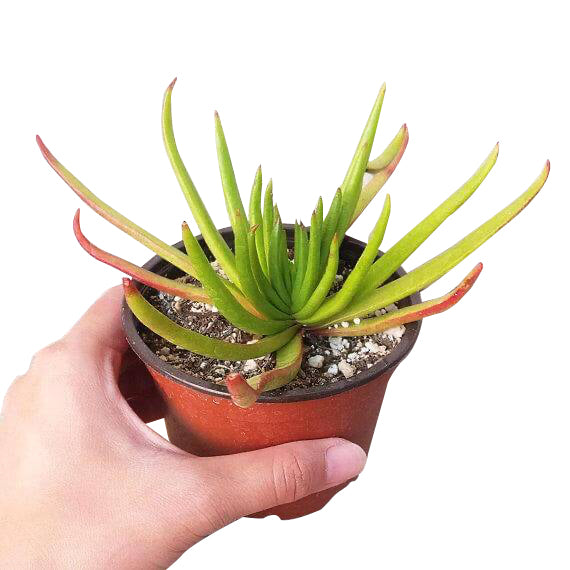
Image by Succulents Box
Pruning
Pruning your Crassula Devil’s Horns is simple and helps keep the plant looking tidy and healthy. This succulent naturally grows in a compact, branching form, but occasional trimming encourages fuller growth and prevents it from becoming leggy.
Use clean, sharp scissors or pruning shears to remove dead or shriveled leaves, especially near the base of the plant. You can also trim back any overgrown stems to maintain the desired shape or to promote new growth from the nodes. Make your cuts just above a leaf node to encourage branching.
If you notice any discolored or damaged leaves, remove them promptly to prevent potential disease spread. Always let trimmed areas dry out and callous before watering again, as fresh cuts can be more prone to rot when exposed to moisture.
Regular light pruning, once or twice a year, will keep your Devil’s Horns neat and vigorous, allowing it to continue producing its distinctive, horn-shaped foliage.
Pests and Diseases
Crassula Devil’s Horns is generally a hardy succulent, but like many houseplants, it can occasionally fall victim to common pests such as mealybugs, aphids, and spider mites. These pests are attracted to the plant’s juicy leaves and can cause visible damage if left untreated. You might notice sticky residue, tiny white cotton-like clusters, or webbing on the undersides of leaves, clear signs of infestation.
To manage these pests, start by gently wiping the leaves with a soft cloth or cotton swab dipped in isopropyl alcohol to remove them manually. For more persistent infestations, you can apply neem oil or an insecticidal soap spray, taking care to treat both sides of the leaves. Regularly inspecting your plant helps catch problems early before they spread.
Overwatering or poor drainage can also lead to root rot, one of the most common diseases affecting succulents. Signs include mushy stems, yellowing leaves, and an unpleasant odor from the soil. To prevent this, always ensure your plant is in a well-draining potting mix and that excess water can escape through drainage holes.
Fungal issues may occasionally arise in overly humid conditions or when water sits on the leaves. Make sure your Devil’s Horns is placed in an area with good airflow and avoid misting or overhead watering.
With the right care and quick action, your Crassula will stay pest-free and healthy, showing off its striking, horn-shaped leaves year-round.


