





Aeonium Kiwi, also known as Aeonium haworthii Kiwi or Aeonium tricolor, is a delightful succulent cherished for its vivid rosettes blending shades of green, yellow, and pink. Native to the Canary Islands, this plant stands out for its symmetrical form and the way its colors shift with the light, offering a radiant display that feels almost sun-kissed.
Beyond its beauty, Aeonium Kiwi is a resilient and easygoing plant that adapts well to a variety of settings. It thrives both indoors and outdoors, making it perfect for windowsills, patios, or as part of a mixed succulent arrangement. Its bright hues add a cheerful accent to minimalist interiors and make it an excellent gift for anyone who loves plants with personality.
Whether you’re just starting your succulent journey or expanding your collection, Aeonium Kiwi is a rewarding choice. Let’s take a closer look at how to help this stunning plant stay healthy and vibrant all year long.
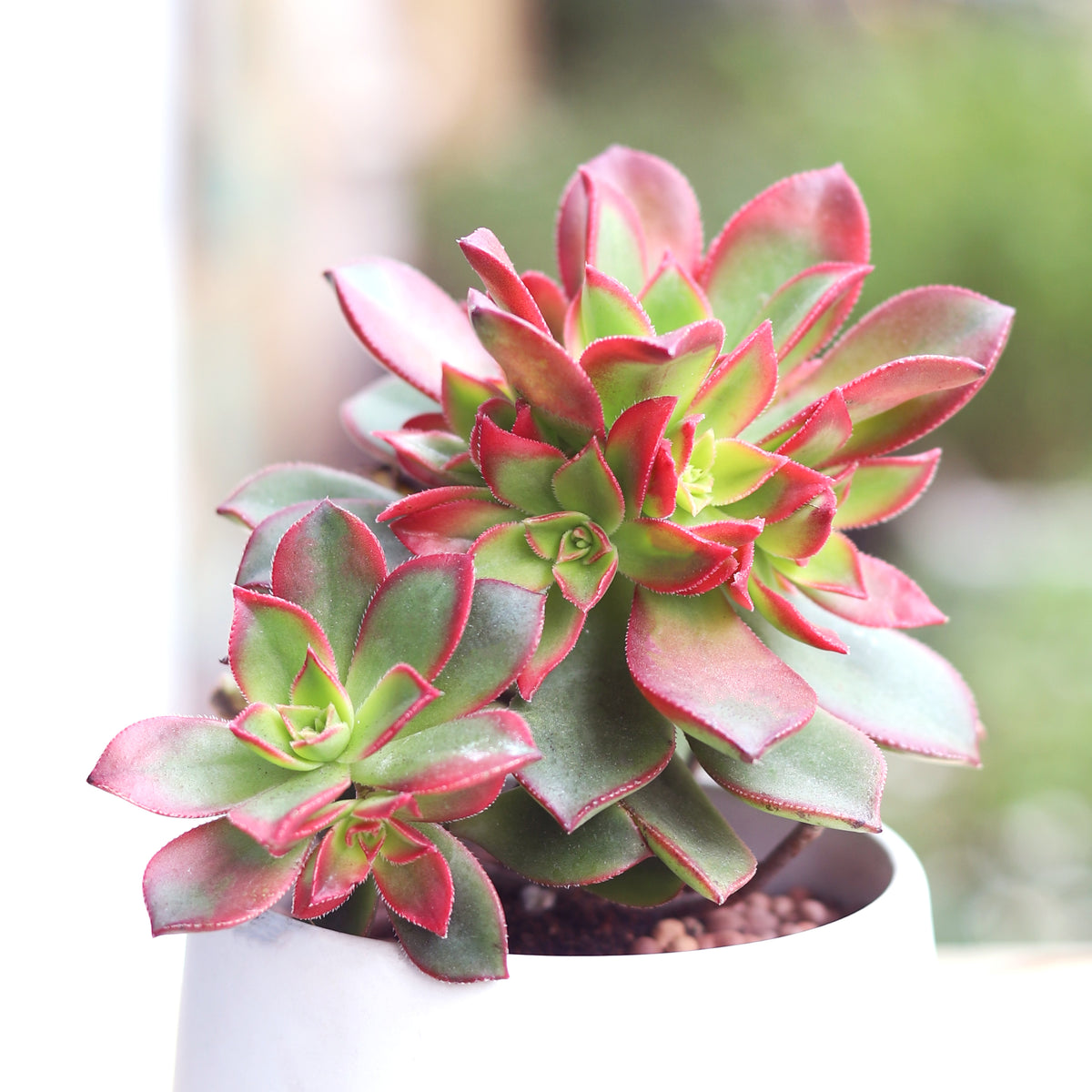
Image by Succulents Box
Lighting
Light plays a vital role in the health and color of Aeonium Kiwi Haworthii. Like most succulents, it thrives in bright conditions and can tolerate some direct sunlight. Varieties with darker or more vibrant leaf tones, such as purplish or burgundy edges, benefit from more direct sun, while green-leaved Aeoniums prefer partial shade or filtered light. Proper lighting not only enhances their beautiful coloration but also prevents weak, stretched growth.
When grown indoors, place your Aeonium near a sunny window or under grow lights to ensure it receives at least six hours of bright light each day. Insufficient light can cause the rosettes to lose their vivid colors and become leggy. Outdoors, they enjoy full sun to partial shade, but it’s best to protect them from harsh afternoon sunlight, which can cause leaf scorch or dehydration. If you notice brown tips or spots, it’s a sign the plant is getting too much direct sun, providing a bit of shade during peak hours will help. To keep your Aeonium growing evenly, rotate the pot every few weeks so that all sides receive adequate light exposure.
Watering
Watering Aeonium Kiwi Haworthii can be a bit tricky, as this plant behaves differently from most succulents. Unlike desert-loving varieties that thrive on neglect, Aeoniums prefer their soil to stay slightly more moist but never soggy. Their shallow root system absorbs moisture quickly from the top layer of soil, so they lean more toward less water, more often rather than deep, infrequent soakings.
During the active growing season (from fall to spring), water your plant every 4 to 7 days, depending on light, temperature, and airflow. Always use the finger test before watering: stick your finger about 2 inches into the soil, and if it feels dry, it’s time to water. Aeoniums are generally a bit more tolerant of extra moisture than most succulents, but they still dislike sitting in waterlogged soil.
In summer, when the plant goes dormant, reduce watering significantly. Only water when you notice the leaves starting to wrinkle or shrivel, a sign your Aeonium is thirsty. Dormant succulents need little to no water, so err on the side of underwatering during this time.
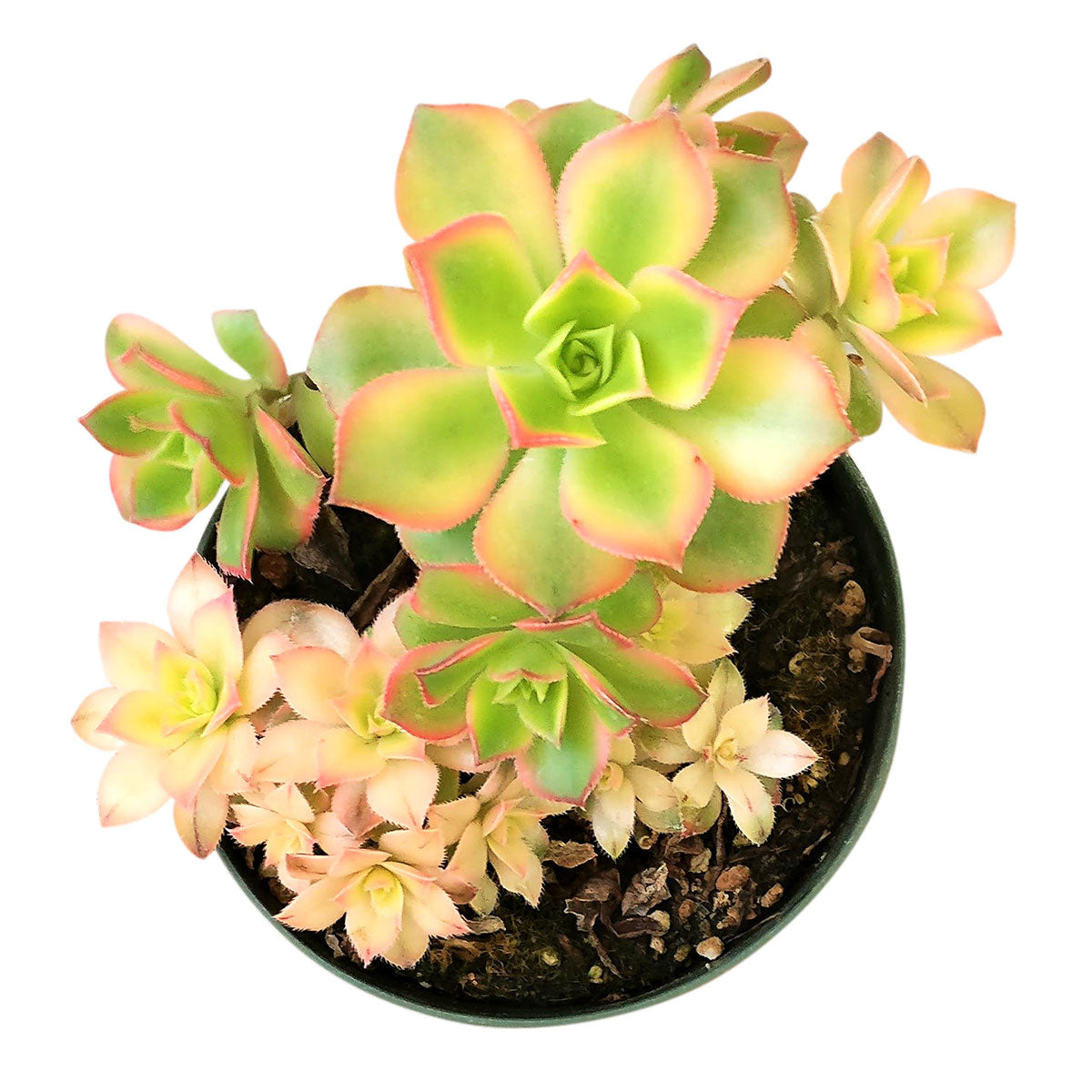
Image by Succulents Box
Signs of watering problems are easy to recognize. Wrinkled or soft leaves mean your Aeonium is thirsty, while yellow, limp leaves suggest you’ve been watering too much. Keep in mind that soggy soil is the biggest enemy of Aeoniums, and good drainage is the secret to keeping those roots healthy and happy.
Temperature and Humidity Requirements
Aeonium ‘Kiwi’ thrives in mild, Mediterranean-like climates where the temperature ranges comfortably between 65 and 75°F, similar to the conditions most of us enjoy indoors. It performs best in environments that are neither too hot nor too cold. While it can tolerate brief periods of cooler temperatures down to around 40°F, it is not frost-tolerant, and exposure to freezing conditions can seriously damage the leaves and stems. If you live in an area where winters get chilly, it’s a good idea to bring your plant indoors before the cold sets in.
Once indoors, place your Aeonium near a bright window that receives plenty of filtered light and reduce watering during this time to match its slower growth rate. In spring, as temperatures rise, gradually move your plant back outside, giving it time to acclimate to stronger sunlight to prevent leaf burn.
When it comes to humidity, Aeonium ‘Kiwi’ isn’t particularly demanding. It adapts well to average indoor humidity levels, as long as there’s sufficient airflow. However, overly humid or poorly ventilated spaces can increase the risk of fungal infections and root rot. To keep your plant healthy, ensure good air circulation around it, avoid overcrowding with other plants, and use a well-draining soil mix that prevents excess moisture from lingering around the roots.
Soil and Fertilizer
When it comes to soil, Aeonium Kiwi Haworthii thrives in a well-draining mix that prevents water from sitting around the roots. You can create your own by combining regular potting soil with perlite, coarse sand, or small gravel to boost drainage and airflow. Alternatively, use a high-quality commercial succulent or cactus mix that provides just the right balance of moisture retention and drainage. Although Aeoniums can tolerate slightly more moisture than most succulents, soggy soil remains their biggest enemy, so always choose a pot with drainage holes to keep the roots healthy.
As for fertilizer, Aeoniums don’t need frequent feeding. During the active growing season, typically from winter to spring, you can apply a diluted, balanced (such as 10-10-10 or 5-10-5) water-soluble fertilizer once a month to encourage strong, colorful growth. Make sure to dilute it to half strength to avoid overfeeding, which can cause weak, leggy stems. During the summer dormancy period, hold off on fertilizing altogether, as your Aeonium will appreciate the break.
Extra Cares
Potting and Repotting
Aeonium Kiwi Haworthii generally prefers being slightly root bound, so it doesn’t need frequent repotting. However, repotting every two to three years helps refresh the soil, prevent compaction, and support continued healthy growth. The best time to repot is during its active growing season, typically in late winter or early spring, when the plant is most resilient and ready to establish new roots.
When repotting, gently remove the plant from its old pot, taking care not to damage the delicate root system. Shake off any loose soil and inspect the roots, trimming away any that are mushy, blackened, or dried out. Choose a new pot that’s only slightly larger than the previous one and make sure it has drainage holes. Aeoniums dislike sitting in waterlogged soil, which can quickly lead to root rot.
Fill the bottom of the pot with a fresh, well draining succulent mix, ideally one containing perlite, pumice, or coarse sand for optimal aeration. Set the plant in the new container, fill in around the roots, and press the soil lightly to stabilize it without compacting too tightly. Avoid watering immediately after repotting; wait about a week before giving the first light watering to allow any disturbed roots to heal and minimize the risk of rot.
Repotting not only gives your Aeonium fresh nutrients but also helps it maintain its attractive shape and color. With new soil, proper drainage, and the right pot size, your Kiwi Aeonium will continue to grow strong and beautiful for many seasons to come.
Propagation
Aeonium Kiwi Haworthii is wonderfully easy to propagate and perfect for anyone who loves growing new succulents from their existing collection. The simplest method is stem cuttings, and it’s best done during the active growing season from fall to spring for faster rooting and stronger growth.
Choose a healthy branch from your mature Aeonium, ideally one that’s about 4-6 inches long and has a cluster of healthy leaves at the tip. Aeoniums tend to be leafy at the ends of their stems, so you’ll have plenty of clean stem space to make your cut. Use a sharp, sterilized pair of scissors or pruning shears to make a clean cut, as this helps prevent damage and reduces the risk of infection.
After cutting, let the stem callus by placing it in a warm, dry, and shaded spot for three to five days. This callusing process is crucial because it prevents rot and helps the cutting establish roots more effectively. Once the cut end is dry and slightly hardened, plant the stem in a well-draining succulent mix. Place it in bright, indirect light and water sparingly until roots begin to form, usually within two to four weeks. You can gently tug on the cutting after a few weeks to check for resistance, which means roots are growing.
Aeonium cuttings often grow top-heavy, and as they mature, the branches may bend or break naturally. Don’t worry, this is part of their charm. These fallen branches can develop aerial roots along their stems, and once they touch the soil, they’ll begin rooting on their own. You can gently remove and replant these offshoots to start new plants elsewhere.
Propagation with Aeoniums is not only simple but also rewarding, as each new cutting promises another burst of colorful rosettes to brighten your space.
Pruning
Pruning your Aeonium Kiwi Haworthii is an easy but important part of keeping it healthy, shapely, and vibrant. Like most succulents, Aeoniums don’t require frequent pruning, but an occasional trim can make a big difference in how full and tidy the plant looks.
Start by removing any dead, dry, or yellowing leaves at the base of the rosettes. These old leaves naturally die off as the plant grows, and taking them out improves airflow around the plant and reduces the risk of pests or fungal issues. You can simply pull them away gently or use clean scissors to snip them off.
If your Aeonium has become leggy with long, stretched-out stems and rosettes clustered at the tips, pruning can help rejuvenate it. Cut back the elongated stems to encourage branching and new rosette growth. Always use sharp, sterilized shears to make clean cuts, which helps prevent infection and ensures quicker recovery. Pruning is also a great opportunity to collect cuttings for propagation. Any healthy stems you remove can be left to callus and then replanted to grow into new Aeonium plants.
After pruning, give your plant some time to recover in a bright, shaded area for a few days before returning it to full sun. Regular light maintenance every few months keeps your Kiwi Aeonium looking compact, colorful, and thriving all year round.
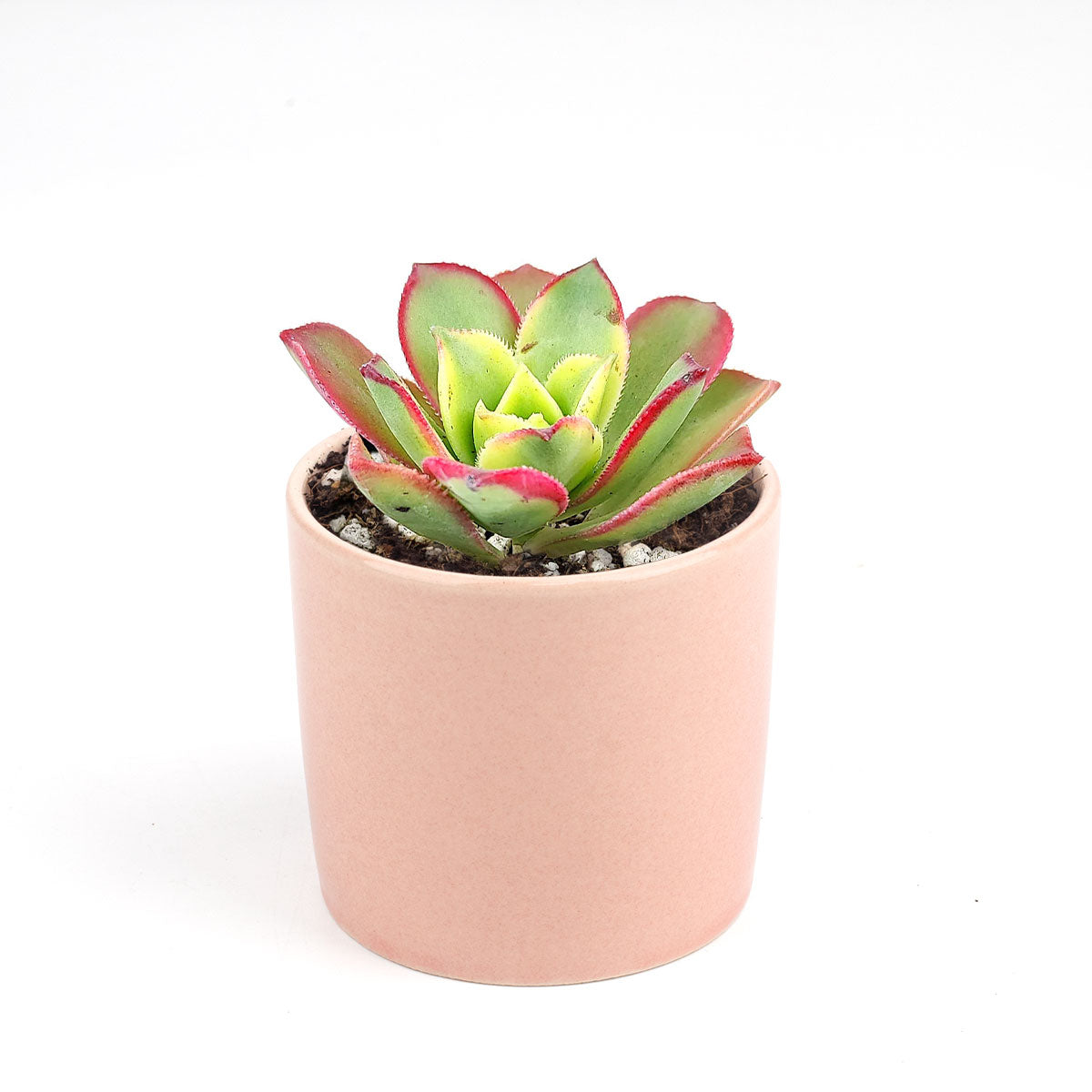
Image by Succulents Box
Common Problems
Like most succulents, Aeonium Kiwi is relatively hardy but can still encounter a few problems if its growing conditions aren’t quite right. Paying attention to small changes in your plant’s appearance will help you catch issues early and keep it looking its best.
Pests
The most common pests that attack Aeonium Kiwi are mealybugs and aphids. These small insects cluster on leaves and stems, sucking the plant’s sap and weakening its growth. If you notice white cotton-like spots or sticky residue, it’s time to act. Remove the pests with a cotton swab dipped in alcohol or spray the plant with a mild insecticidal soap. For light infestations, rinsing the leaves under a gentle stream of water can also help. Spider mites may occasionally appear, especially in hot and dry conditions. Their presence is usually marked by fine webs and tiny yellow spots on the leaves. Increase humidity around the plant and wipe the leaves regularly to discourage them.
Diseases
The most common disease affecting Aeonium Kiwi is root rot, typically caused by overwatering or poor drainage. If the leaves start turning yellow, drooping, or becoming mushy, check the roots immediately. Healthy roots should be firm and white, while black, soft roots indicate rot. Remove the affected parts, let the plant dry out for a few days, and replant it in well-draining soil.
Leaf Yellowing and Shedding
It’s completely normal for Aeonium Kiwi to lose a few lower leaves, especially during the winter. This process is part of its natural growth cycle, allowing the plant to conserve energy during dormancy and refresh its foliage when the growing season returns.

To prevent these common problems, make sure your plant has good air circulation and avoid overwatering. Water only when the soil feels dry to the touch, and always use a pot with proper drainage holes. Regularly inspect your Aeonium Kiwi for signs of pests or disease, and gently wipe the leaves to keep them dust-free. Avoid letting water sit on the foliage for too long, particularly in humid environments. With consistent care and observation, your Kiwi Aeonium will thrive and continue to display its stunning tri-colored rosettes throughout the year.


