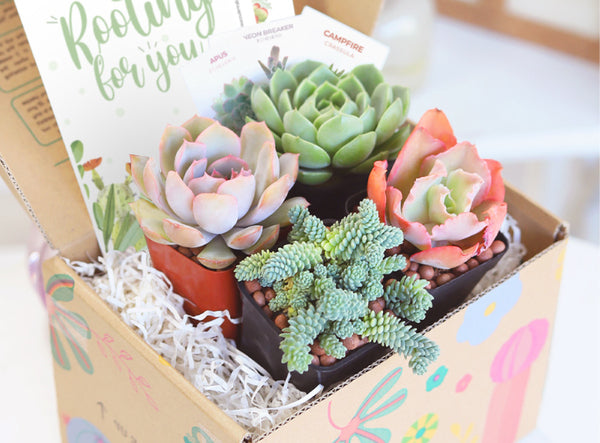
Unbox your September 2025 Succulent Subscription Box and unlock expert care tips for varieties like Haworthia Obtusa, Trailing Jade, Blue Chalk Sticks, Echeveria Setosa, and Tillandsia Schiedeana. This comprehensive guide covers proper watering schedules, ideal lighting, soil mix suggestions, propagation techniques, and seasonal adjustments to ensure your succulents thrive. Perfect for succulent enthusiasts seeking actionable, SEO-friendly advice to keep their monthly box plants healthy and flourishing.
Sedeveria ‘Jet Beads’ is a striking hybrid succulent known for its dark, jewel-toned foliage and low-maintenance nature, making it popular among collectors and home gardeners. It grows in tight clusters with bead-like leaves that transform into bronze and burgundy hues under stress. This plant can thrive both indoors and outdoors, provided it receives bright sunlight, well-drained soil, and minimal watering. Summary: For optimal growth, Sedeveria ‘Jet Beads’ requires bright, direct sunlight, particularly outdoors in USDA hardiness zones 9b to 11. It should be watered deeply but infrequently using the "soak and dry" method to prevent root rot. Proper soil drainage, minimal fertilization, and moderate temperatures between 65°F and 85°F are essential for maintaining the plant's health and vibrant foliage.
Cebu Blue Pothos (Epipremnum pinnatum ‘Cebu Blue’) is a low-maintenance houseplant known for its silvery-blue, elongated leaves that may develop fenestrations in ideal conditions. Native to the Philippines, it thrives in bright, indirect light and warm, humid environments. Suitable for USDA zones 9–11, it prefers shaded outdoor spots or indoor care with well-draining soil, moderate watering, and occasional fertilizing. Easy to prune and propagate, Cebu Blue is perfect for beginners. Watch for issues like overwatering, pests, and leggy growth to keep it healthy and vibrant.
Dieffenbachia, commonly called the dumb cane plant, is a popular tropical houseplant admired for its bold, variegated leaves and easy adaptability. With the right care, this plant can grow into a lush centerpiece that brightens up both homes and offices. In this guide, you’ll discover everything you need to know about keeping your Dieffenbachia healthy—from choosing the best spot with bright, indirect light to maintaining the proper watering routine and humidity levels. You’ll also learn about soil requirements, fertilizing schedules, pruning for fuller growth, and propagation methods to expand your collection. Plus, we’ll share tips on how to troubleshoot common issues such as drooping or yellowing leaves, brown tips, or pest infestations, ensuring your dumb cane stays vibrant and thriving all year long
Welcome to your August 2025 Succulent Box — packed with five unique plants: Crassula Congesta ‘Green Beans,’ Haworthia Pumila ‘African Pearl,’ Sedum ‘Fire Storm,’ Mini Rat’s Tail Cactus, and Tillandsia Bulbosa Belize. In this care guide, you’ll learn how to meet each plant’s specific needs—from light, soil, and watering routines to propagation tips—so they flourish in your space. Whether you’re a beginner or a seasoned succulent lover, you’ll find clear instructions to keep every plant in this month’s box healthy, vibrant, and growing strong.
Guzmania Hybrids are popular indoor plants known for their vibrant central bracts and low-maintenance care. These tropical plants, members of the bromeliad family, thrive in warm, humid environments and don’t require soil for their growth. Propagation is mainly through pups that develop after the plant blooms, continuing its life cycle and providing new opportunities for blooms in the future.
The Kangaroo Paw Fern is a low-maintenance plant from Australia and New Zealand with lobed fronds that resemble a kangaroo's paw. It's more forgiving than most ferns and tolerates drier conditions. This fern prefers bright, indirect light and well-draining soil that stays moist but not waterlogged. It grows best outdoors in zones 9-11 in shaded areas, avoiding direct sun and frost. Propagation is easiest through division of mature plants.
The article discusses the unique characteristics and care requirements of the Ric Rac Cactus 'Fire,' also known as Epiphyllum anguliger. It describes the plant's origin as an epiphyte, its growth habits, flowering patterns, and suitability for indoor and outdoor cultivation. Additionally, it provides detailed care instructions on lighting, watering, soil, feeding, temperature, humidity, potting, pruning, propagation, blooming, and common problems, emphasizing the plant's low-maintenance nature and non-toxicity to humans and pets.
The Cherokee Purple tomato is a revered heirloom variety with deep flavor and a rich history dating back to the 1800s. Known for its unique color, intense flavor, and connection to heritage, this tomato thrives in containers with proper care and attention. Growing Cherokee Purple in containers requires a large pot, well-draining soil, support for the vigorous growth, and regular maintenance throughout the season to ensure a successful harvest of flavorful, wine-like tomatoes.
Calathea plants, known as prayer, zebra, peacock, or rattlesnake plants, are treasured for their vibrant, patterned leaves and tropical flair. Although they can bloom under the right conditions, their real appeal lies in their foliage. In this guide, you’ll discover how to bring out the best in your Calathea—covering lighting, watering, soil, humidity, repotting, pest care, and even blooming tips—so your plant thrives and stays stunning.
Our July Subscription Box brings together five striking plants: from the trailing charm of the Mini Rat's Tail Cactus to the soft fuzz of Tillandsia Seleriana. You’ll love the vivid rosettes of Graptopetalum Purple Delight, the bold outlines of Echeveria Ciliata x Nodulosa, and the glassy leaf tips of Haworthia Cooperi var. Retusa. Perfect for bright spaces and low-maintenance care, these rare finds add texture and color to any collection.
Discover everything you need to know about Dracaena plant care, including light, water, soil, and temperature requirements. Learn about its air-purifying benefits, potential toxicity to pets, and how to prune, repot, and propagate your Dracaena. This complete guide covers the most popular Dracaena varieties, common problems, and expert tips to help your plant thrive indoors. Ideal for both beginners and seasoned plant lovers looking to enhance their indoor greenery.

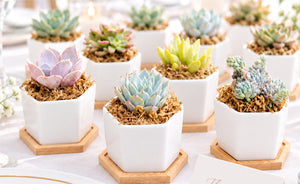
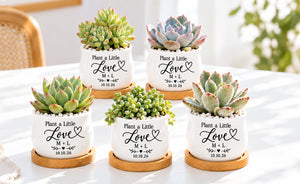
 Arrives healthy & gift-ready
 Healthy plant or replaced free
 Plant care guide included with every gift Plus live plant doctor access