Frost-tolerant plants survive temperatures at or below 32°F (0°C) without damage to their roots, stems, or crowns.
Most plants in this collection are rated to USDA Zones 3 through 7, meaning they handle winter lows from -40°F to 10°F.
Each variety lists a minimum hardiness zone on its product page so you can match it to your local climate.
True hardy perennials die back in winter and regrow from the root each spring, while hardy evergreens hold their foliage year-round.
Place frost-tolerant shrubs and perennials in open beds, borders, or unheated balcony containers rated for outdoor winter use.
Browse the collection below to find varieties matched to your zone and ready to thrive through the cold season.
What hardiness zones do these frost tolerant plants cover?
Most plants in this collection are rated for USDA Zones 3 to 7, which covers winter lows between -40°F and 10°F. The exact minimum temperature for each variety is listed on its individual product page, so you can confirm it matches your region before buying.
Can these plants stay outdoors in autumn and winter?
Yes, hardy frost tolerant plants are bred to remain outdoors year-round once established in the ground. Container-grown specimens are slightly more vulnerable because roots freeze faster in pots, so move containers against a sheltered wall or wrap them in burlap once temperatures drop below 20°F.
Do frost-tolerant plants need protection during the first winter?
Newly planted specimens benefit from a 2 to 3 inch mulch layer applied after the first hard frost to insulate roots. Young trees may also need trunk wraps to prevent winter sun scald and rodent damage during their first one to two seasons.
How often should I water hardy plants in cold weather?
Water deeply once a week during autumn until the ground freezes, then stop until spring thaw. Hydrated roots survive freezing far better than dry ones, so a final deep soak before the ground hardens is the single most important winter prep step.
Are these plants safe for pets if leaves drop in the yard?
Toxicity varies by species, so always check the individual product page for pet safety notes. Many common hardy plants like sedum, ornamental grasses, and most conifers are non-toxic, while others, such as yew and rhododendron contain compounds harmful to dogs and cats if eaten.
Will these plants come back every year?
Yes, hardy perennials, shrubs, and trees in this collection return year after year when planted within their rated hardiness zone. Perennials typically die back to the ground in winter and regrow from the crown in spring, while woody shrubs and evergreens retain their structure through the cold months.
Can I plant frost-tolerant varieties in containers on a balcony?
Yes, but choose plants rated at least one full zone colder than your location since potted roots experience harsher temperatures than in-ground roots. Use frost-proof ceramic, fiberglass, or thick wood containers and group them together against a wall to buffer wind and cold.

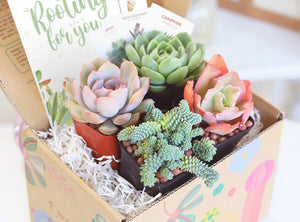
 Arrives healthy & gift-ready
 Healthy plant or replaced free
 Plant care guide included with every gift Plus live plant doctor access