




Trying to find the right amount of sunlight for your houseplants doesn’t have to be a chore, even with vague language regarding “full sun” and “indirect sunlight” or “low light.” Follow this guide to demystify the terms and benefits of natural light for your houseplants and help them thrive.
Why Lighting Matters
All plants require sunlight to photosynthesize, and these levels of sunlight tend to vary based on the plant. Some plants, especially succulents, will get sunburnt if exposed to direct sunlight, while others will not receive any damage. Other plants may need lots of sunshine and grow leggy if left in the shade. An overexposed plant will sustain damage to the affected leaves, turning them a shade of rusty brown. Underexposed plants will appear paler and thinner than usual.

Light Levels Guide
Gardeners tend to use similar language when describing light levels for succulents, houseplants, and outdoor plants alike. Each term regarding light levels typically pertains to natural sunlight. However, many gardeners mimic sunlight with UV lamps during darker months, similar to their plant’s natural light requirements.
1. Bright, Direct Light
Bright, direct sunlight means your plant is in full view of the sun (hence the alternate title, “Full sun”). Plants in need of full sunlight are often tropical plants or desert plants designed to thrive in areas where shade is relatively scarce, and their leaves are less likely to burn under harsh afternoon sunlight and work best in bright homes. Houseplants that thrive in bright, direct sunlight include the Aloe Vera, Agave, and Paddle Plant.
2. Bright, Indirect Light
Arguably the most popular light level among houseplants, bright, indirect sunlight is the next step down from full sun. Under this lighting, your plants still receive plenty of sunlight, but this sunlight is filtered to prevent harsh UV rays from burning the leaves. Ideal for plants that need lots of sun but have tender leaves, this light condition fits many houseplants, including succulents. Some houseplants that do best in bright, indirect sunlight include the Snake Plant, Rubber Plant, Swiss Cheese Monstera, and Silver Pothos.
3. Medium Light
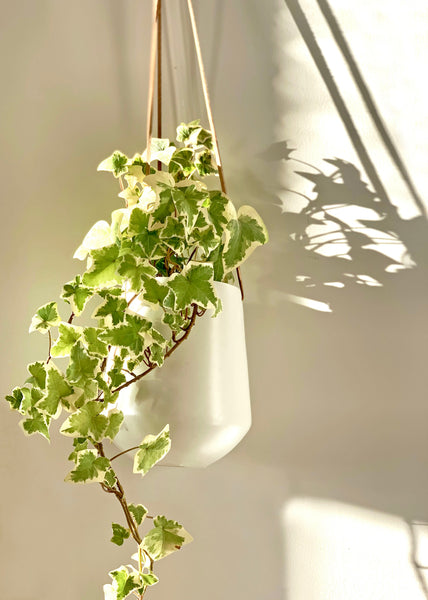
Plants in need of medium sunlight levels tend to prefer partial shade during the afternoon hours. These plants also fall in between the bright, indirect, and low-light areas– they’ll do well in either. Most medium light plants naturally grow under trees, so they receive filtered light throughout the day, but not to the same extent as plants that need bright, indirect sunlight. Most medium-light plants are great for groundcover under trees or the corner of a bright room. Some excellent medium-light houseplants include the Christmas Cactus, English Ivy, and Bella Palm.
4. Low Light
Unlike the rest of the plants on this list, low light isn’t always an ideal condition for houseplants. Typically, low light plants also do well in medium light and make for excellent groundcover underneath a particularly verdant tree. Low light plants are also known for their hardiness, as they can thrive just about anywhere. Some of our favorite low-light plants include the Curly Spider Plant, Peperomia, and Calathea Dottie.


