




“ What is so hard about growing a plant?”. That is often the first thought we have before being overwhelmed with thousands of species and care guide questions. How to water them ? How to protect them from pest and diseases? Will they be toxic to your pet? Growing succulent might not be as much of a hassle as growing other plants, but achieving a green thumb still takes some time and efforts. Here is a list of beginners’ succulent that require little expertise to care for.
1. Haworthia Zebra
Are you worried that your succulent are not on good terms with your four-legged friend? Or are you a noob in handling pest? Worry not, this plant got you covered. Haworthia Zebra is one of the most popular among the Haworthia genus thanks to its low maintenance and high resistance to pests. Moreover, this succulent is non-toxic so even if you pet enjoy a little snack of succulent by accident, no harm is made. Haworthia Zebra often performs best in hardiness zone from 9a to 11b, but its great survival skills still make it a perfect indoor plant for other areas.
2. Cactus Opuntia
As a plant thriving in the desert, there is no question about how resilient these succulents are. In general, Opuntia Cactus are resistant to pests. And the biggest concern for beginners is not to over watering them. They aren't harmful to pets but I don’t think your cat or dog enjoys playing with those sharp thorns. Opuntia family do well in zone 8-11 as both indoor and outdoor plants.
3. Echeveria
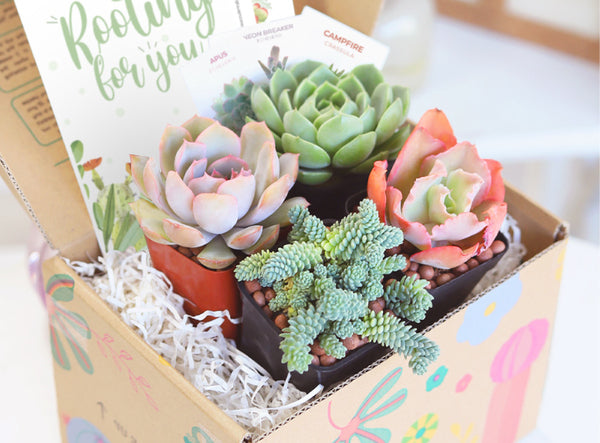
Beautiful and elegant, yet little do we know how resilient Echeveria is. Similar to other succulent genus, Echeveria prefers hardiness zone from 9-11. It performs best in desert conditions but can also do well in cold weather. Overwatering is the biggest problem for Echeveria growers so an unglazed clay pot with good drainage is ideal. This plant is non-toxic and has high resilience to pests.
4. Sempervivum

Types of Sempervivum Succulents | Click here to purchase
If you still have not picked your favorite from the types we mentioned above, Sempervivum might be you best bet. With dozens of types available, all are pet-friendly and pest-resistant, Sempervivum plants are easy-to-grow succulents because they have high tolerance to both cold or hot temperatures, with wide growing zones ranging from 5-9.
5. Sedum Donkey's Tail
Sedum Donkey's Tail, also known as Burro's Tail, is native to Mexico. This succulent has a fleshy and cute appearance, which makes it a showstopper in its hanging basket. Burro tail is also well-known for its ability to tolerate any type of soil and high resistance to pest. It can be grown indoor or outdoor depending on the area, but its preferred hardiness zone are 10 and 11. Burro’s Tail is also non-toxic.
 See more about: How to care for your indoor succulents and 8 Types of Outdoor Succulents for Extreme Cold Weather.
For Types of Succulents Careguide. Read more information here.
And get a free plant when your friends make an order. Sign up here!
Learn more about how to nurture and enjoy many gorgeous succulents and clever decoration tips with our newsletter. Let's sign up!


