


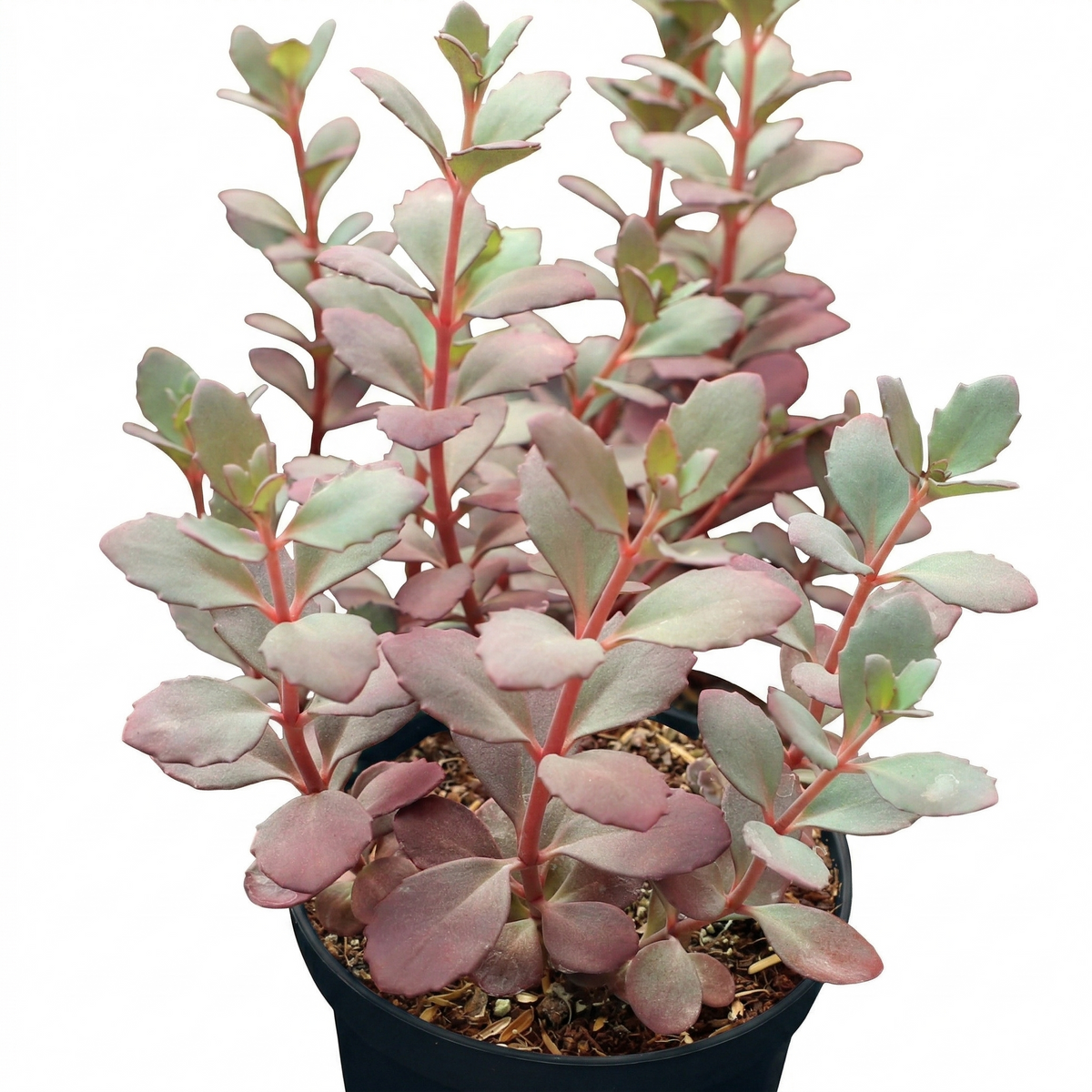
Sedum SunSparkler 'Plum Dazzled' is a compact, low-growing succulent perennial prized for its dramatic foliage and colorful summer flowers. Its fleshy leaves emerge with gray-blue tones in spring before gradually deepening into rich plum and dark purple-black as the season progresses. In summer, clusters of raspberry-pink flowers appear above the foliage, creating a striking contrast and attracting pollinators to the garden.
Unlike many succulents commonly grown as indoor houseplants, 'Plum Dazzled' was bred as a hardy landscape perennial. Its dense, mounding habit stays relatively low and spreads outward without the floppy growth seen in some taller Sedum varieties. One of the best things about this plant is how little maintenance it needs once established. Strong sunlight, excellent drainage, and careful watering are the main ingredients for keeping its foliage compact and deeply colored.
This guide covers everything you need to know about Sedum SunSparkler 'Plum Dazzled' care, including lighting, watering, soil, temperature, fertilizing, repotting, propagation, flowering, seasonal care, and common growing problems.
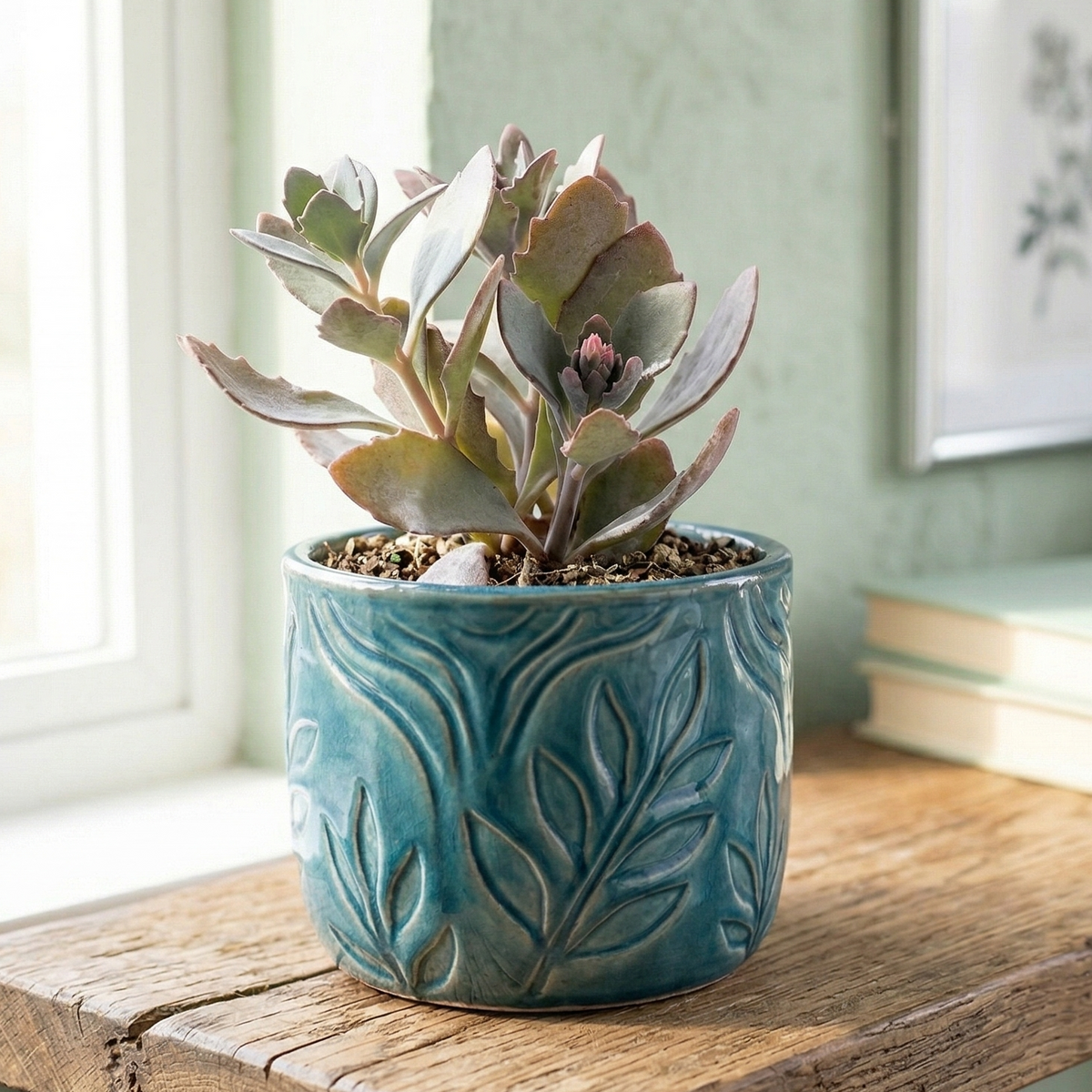
Basic Information
| Feature | Details |
|---|---|
| Botanical Name |
Sedum hybrid ‘Plum Dazzled’ |
| Family | Crassulaceae |
| Plant Type | Hardy Succulent Herbaceous Perennial |
| Mature Size | About 9 inches tall and 18 inches wide |
| Sun Exposure | Full sun to partial sun |
| Soil Type | Gritty, well-draining succulent soil |
| Soil pH | Slightly acidic to neutral |
| Bloom Time | Mid to late summer |
| Flower | Raspberry-pink flower clusters |
| Hardiness Zones | USDA Zones 4 to 9 |
| Native Area | Cultivated hybrid bred in Michigan, USA |
| Toxicity | Generally considered non-toxic to pets, but ingestion is not recommended |
Should we grow Sedum Sunsparkler 'Plum Dazzled' indoors or outdoors?
Indoors, Sedum SunSparkler 'Plum Dazzled' needs very strong light to remain compact and develop its rich plum-purple coloration. Place it near a bright south-facing window or under a strong grow light. If you move the plant outdoors in spring, introduce it to direct sunlight gradually to prevent foliage adapted to lower indoor light from becoming scorched.
Outdoors, 'Plum Dazzled' works particularly well in rock gardens, sunny borders, raised beds, slopes, pathways, and containers. Its low, spreading growth allows individual plants to gradually form a dense mat without becoming excessively tall.
General Care
1. Lighting
Sedum SunSparkler 'Plum Dazzled' prefers full sun to partial sun, with at least four to six hours of direct sunlight daily for the deepest foliage color.
Strong light helps keep the plant compact and encourages its leaves to develop rich plum and purple-black tones. Plants grown in too much shade may become greener and less dense.
If growing indoors, place it near your brightest window or supplement with a grow light.
2. Watering
'Plum Dazzled' is drought tolerant and should be watered only after the soil has dried.
Water thoroughly until excess water drains from the bottom of the container, then allow the soil to dry before watering again. During warmer months, container plants may need water approximately every 10 to 14 days, depending on the environment.
Reduce watering during cooler weather and winter dormancy. Avoid constantly damp soil, which can quickly lead to root rot.
3. Soil & Fertilizer
Use a gritty, well-draining cactus or succulent mix. Perlite, pumice, or coarse grit can be added if the soil holds too much moisture.
For outdoor planting, avoid heavy clay or locations where water collects after rain.
'Plum Dazzled' does not need frequent fertilizer. A light application of balanced fertilizer in spring is usually enough to support healthy seasonal growth.
4. Temperature & Humidity
Sedum SunSparkler 'Plum Dazzled' is hardy in USDA Zones 4 to 9 (-30°F to 25°F), making it much more cold tolerant than many common succulents.
In colder climates, the visible growth may die back during winter and return from the crown in spring.
Average outdoor or household humidity is suitable. Avoid excessively wet conditions, especially during cold weather, because moisture combined with poor drainage can cause rot.
5. Toxicity
Sedum SunSparkler 'Plum Dazzled' is generally considered non-toxic to cats and dogs.
However, pets should still be discouraged from chewing the plant. Eating large amounts of any plant material can potentially cause mild digestive discomfort.
Extra Care
1. Potting & Repotting
Choose a wide container with drainage holes to accommodate the plant's spreading habit.
Repot when roots have filled the container or when the potting mix becomes compacted and drains poorly. Move only one pot size larger to avoid leaving too much wet soil around the roots.
Spring is the best time for repotting because active growth is beginning.
2. Pruning
'Plum Dazzled' naturally forms a compact mound and requires very little pruning.
Remove dead or damaged stems with clean scissors. Spent flower heads can also be trimmed after blooming if you prefer a cleaner appearance.
In early spring, remove any dried winter growth before new shoots emerge.
3. Propagation
Sedum SunSparkler 'Plum Dazzled' can be propagated easily from stem cuttings.
Take a healthy cutting during spring or summer and allow the cut end to dry briefly. Place it in a gritty succulent mix and keep it in bright light while roots develop.
Established clumps can also be divided during spring or repotting.
4. Blooming
'Plum Dazzled' produces clusters of raspberry-pink flowers during summer.
Good sunlight encourages both flowering and strong foliage color. Plants growing in too much shade may produce fewer blooms.
Avoid excessive fertilizer, which can encourage leafy growth instead of flowers.
5. Seasonal Care Tips
- Fall and Winter: Water less frequently as temperatures cool and growth slows. Outdoor plants may become dormant and lose visible top growth. Keep the soil well drained, especially during freezing weather.
- Spring & Summer: Provide plenty of sunlight and water once the soil dries. Spring is also the best time for repotting, propagation, division, and light fertilizing.
Common Problems
Foliage turning green usually indicates insufficient sunlight. Gradually move the plant into a brighter location to encourage deeper plum coloration.
Stretching or loose growth is another sign of low light. Increase sunlight or use a grow light for indoor plants.
Soft or mushy leaves often indicate excessive watering or poor drainage. Allow the soil to dry and check the roots for rot.
Wrinkled leaves may indicate dehydration when the soil is completely dry. Water thoroughly, but always check soil moisture first.
Brown or scorched patches can develop when a plant accustomed to shade is suddenly exposed to intense sunlight. Increase sun exposure gradually.
Root rot develops when the root zone remains wet for too long. Use fast-draining soil, a pot with drainage holes, and allow the soil to dry between waterings.
Succulents Box's Tips
- Give 'Plum Dazzled' plenty of sunlight for the richest purple foliage.
- Allow the soil to dry between waterings.
- Use a wide pot with drainage holes for container-grown plants.
- Do not worry if new spring foliage looks gray-blue or lighter. It naturally darkens as the season progresses.
- Avoid heavy fertilizer because this Sedum grows well in relatively lean soil.
-
Outdoor plants may disappear during winter but return from the crown in spring within their recommended hardiness zones.
Q&A for Sedum SunSparkler 'Plum Dazzled'
Where to Buy Sedum SunSparkler 'Plum Dazzled' Online?
If you're looking to buy Sedum SunSparkler 'Plum Dazzled' online, Succulents Box is one of the top sources for succulents and houseplants in the U.S., with our own greenhouses in California. We ship directly to your door with a live plant guarantee.
We also offer a wide variety of succulents and houseplants to pair with Sedum SunSparkler 'Plum Dazzled'. Visit Succulents Box to explore our full collection.


