


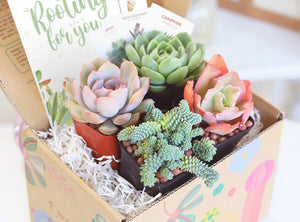
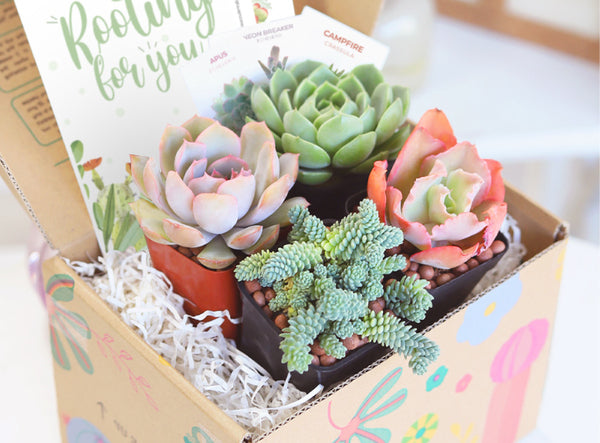
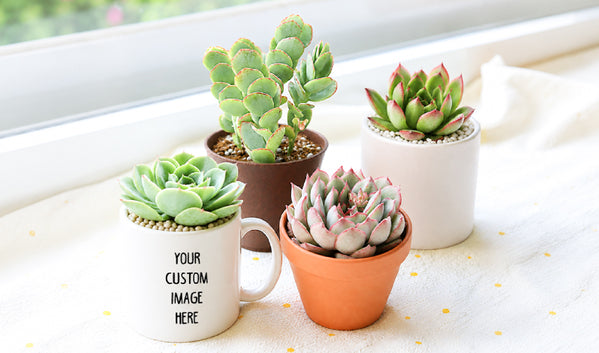



Aeonium haworthii Kiwi is a vibrant, multicolored succulent that instantly brightens any plant collection with its rosettes of soft green, golden yellow, and rosy pink edges. Native to the Canary Islands, this sun-loving species is admired for its cheerful tones that deepen under bright light, giving each rosette a painterly gradient of color. Aeonium Kiwi thrives in mild temperatures and well-draining soil, making it ideal for sunny patios, balconies, or indoor spaces with good light. Its compact form and symmetrical growth pattern make it perfect for container gardens or decorative arrangements alongside other succulents. Beyond its beauty, this plant is remarkably easy to care for requiring only moderate watering and seasonal attention. Whether used as a statement piece, a decorative accent, or a heartfelt gift, Aeonium ‘Kiwi’ captures the joy of nature in a colorful, easygoing form that delights growers of all experience levels.
For those looking for a houseplant that combines sculptural beauty with a touch of desert charm, the Spiral Cactus, or Cereus forbesii ‘Spiralis’, is an exceptional choice. Its twisting, spiraling stems create a striking visual statement, making it both a conversation piece and a living work of art.
Beyond its unique appearance, this cactus is relatively low-maintenance, drought-tolerant, and capable of thriving indoors or outdoors with the right care.
This guide provides all the essential information needed to keep a Spiral Cactus healthy and thriving, including light, watering, soil, fertilization, and potential challenges to watch for. Whether a seasoned plant parent or a beginner looking to expand a collection, these tips can help nurture a Cereus forbesii ‘Spiralis’ into a stunning, long-lasting focal point for any home or garden.

LIGHTING
Young Spiral Cacti are delicate when it comes to sunlight. While they enjoy bright conditions, too much direct sun too soon can cause sunburn. Start by placing them in indirect or filtered light and let them get used to their new environment. As the plant grows stronger, you can slowly introduce it to more direct sunlight, helping it develop those signature tight spirals without stress.
If you’re growing it indoors, aim for a south-facing window where a mature plant can soak up several hours of sunlight. Outdoors, the Spiral Cactus thrives in sunny spots, but consider giving it light shade during the hottest part of the day to avoid scorching, especially in peak summer.
The plant will do well with 5–6 hours of sunlight at a minimum, but ideally, it prefers around 8 hours of bright, direct light each day to truly flourish. With the right balance, your Spiral Cactus will reward you with strong growth, deep colors, and beautifully defined spirals.
WATERING
The Spiral Cactus is naturally drought-tolerant, so you won’t need to worry if you’re away for a couple of weeks. Its thick, ribbed stems store water, allowing it to withstand dry periods with ease. However, to encourage healthy growth and maintain its mesmerizing spirals, watering thoroughly but infrequently is key.
During the growing season (spring through summer), water your cactus only when the soil is completely dry. Pour slowly and deeply, ensuring the water reaches the roots. If you’re ever unsure whether the soil is ready, it’s better to wait a few extra days - overwatering is the most common mistake and can quickly lead to root rot, a serious threat to this otherwise hardy plant. As the plant enters late summer and winter dormancy, reduce watering significantly.
During these cooler months, the Spiral Cactus prefers to stay mostly dry, relying on its stored moisture. Signs like slight wrinkling or leaning indicate it’s ready for a drink, but otherwise, patience is the best approach.
TEMPERATURE AND HUMIDITY
The Spiral Cactus thrives in mild to warm temperatures, ideally between 60 and 80 °F. This cactus enjoys consistent warmth, but it is not frost-tolerant, so any drop below 50 °F can put the plant at risk. For those growing the cactus outdoors, it is important to bring it inside or provide protection whenever temperatures dip, especially during cooler nights or unexpected cold spells. Gradually acclimating the plant to outdoor conditions in warmer months helps it adjust while reducing the risk of stress.
Humidity is another important consideration. As a desert native, the Spiral Cactus prefers dry conditions and can tolerate normal indoor humidity levels without difficulty. High-humidity environments, such as bathrooms or poorly ventilated rooms, can create problems like root rot or fungal infections, which can compromise the plant’s health. Placing the cactus in a bright, airy spot with good airflow ensures that the stems stay healthy and that excess moisture does not accumulate around the roots.
By carefully managing both temperature and humidity, the Spiral Cactus can thrive indoors or outdoors, growing strong, elegant stems while maintaining its signature spirals. A balanced environment not only supports healthy growth but also enhances the plant’s sculptural beauty, making it a striking centerpiece in any space.

SOIL AND FERTILIZER
Healthy growth for your Spiral Cactus starts from the ground up — literally. The soil you choose plays a crucial role in keeping your Cereus forbesii ‘Spiralis’ happy and thriving. In its natural desert habitat, this cactus grows in gritty, fast-draining soil, and replicating those conditions at home is key. Using a well-draining cactus or succulent mix ensures water doesn’t linger around the roots, which could cause root rot - one of the few things that can truly harm this hardy plant.
If commercial cactus soil isn’t available, don’t worry. You can easily make your own by combining 50% standard potting soil with 50% coarse sand, perlite, or fine pumice. This creates the gritty texture the cactus loves and promotes proper drainage, giving the roots plenty of air and preventing excess moisture buildup. Choosing the right soil from the start sets the stage for strong, healthy spirals that grow gracefully year after year.
When it comes to fertilizing, the Spiral Cactus is relatively low-maintenance, but feeding during its active growing season can boost growth and vitality. From spring through autumn, use a cactus-specific fertilizer or a balanced succulent fertilizer at half strength, applying it twice a month. Avoid fertilizing during the winter months when the plant is dormant; overfeeding during this period can stress the cactus. By combining a nutrient-rich, well-draining soil with careful fertilization, your Spiral Cactus will thrive, producing vibrant, tightly spiraled stems that are both healthy and visually striking.
TOXICITY
One of the great things about the Spiral Cactus is that it is generally non-toxic to humans and pets, making it a worry-free choice for households with kids, cats, or dogs. Unlike some other houseplants that can cause nausea, irritation, or more serious health issues, this cactus poses no chemical threat if accidentally touched or brushed against.
However, the plant’s sharp spines are still a consideration. While they are not poisonous, they can easily cause small scratches or prickly pokes if handled carelessly. For this reason, it’s best to place your Spiral Cactus in a safe spot, such as a high shelf, a plant stand, or a corner where curious hands and paws won’t bump into it.

EXTRA CARES
POTTING AND REPOTTING
The Spiral Cactus thrives when its roots have space to expand, but it doesn’t need frequent repotting. A pot with excellent drainage is essential, as stagnant water can lead to root rot. Terracotta or unglazed ceramic pots are ideal because they allow the soil to breathe and excess moisture to evaporate. Make sure your container has drainage holes at the bottom to prevent water from pooling.
When it comes to repotting, the best time is during the spring, just before the growing season begins. This gives the plant time to adjust to its new soil and container while it ramps up growth. Gently remove the cactus from its current pot, taking care not to damage the spines or roots. Shake off excess soil and trim any damaged roots before placing it in a fresh, well-draining cactus mix.
Choose a new pot that is slightly larger than the previous one - just enough to allow some growth without overwhelming the plant. After repotting, give the cactus a few days before watering to allow any root damage to heal and reduce the risk of rot. With careful handling and the right potting setup, your Spiral Cactus will continue to grow tall and elegant, maintaining its signature spirals while staying healthy and resilient.
PROPAGATION
Propagating the Spiral Cactus is surprisingly straightforward, making it a rewarding project for both beginners and experienced plant lovers. The best time to propagate is during the active growing season (spring through summer), when the cactus is naturally putting energy into growth.
To propagate, start by selecting a healthy stem cutting from a mature plant. Using a clean, sharp knife or pruning shears, cut a section of the stem, making sure it has at least one or two healthy segments. Next, allow the cutting to dry and callus for 5–7 days in a shaded, airy spot. This step is crucial to prevent rot once the cutting is planted. Once the end of the cutting has callused, plant it in a well-draining cactus soil mix. Water sparingly at first, just enough to keep the soil barely moist, until roots start to develop. Rooting can take several weeks, so patience is key.
Once the cutting has established roots, gradually increase watering and provide plenty of bright, indirect light to encourage strong growth. Propagation allows you to create new Spiral Cacti for your home or share with friends, spreading the beauty of its twisting, sculptural stems. It’s a fun and satisfying way to expand your plant collection while maintaining the elegance and charm of this unique cactus.
PRUNING
Pruning the Spiral Cactus isn’t required often, but when done carefully, it can help maintain the plant’s shape, health, and aesthetic appeal. The main reasons to prune are to remove damaged, diseased, or overly long stems that may compromise the plant’s structure or overall appearance. Always use clean, sharp pruning shears and wear protective gloves to avoid scratches from the cactus spines. Cut at the base of the unwanted stem or section, making a clean cut to minimize stress on the plant.
After pruning, you can allow the cut ends to callus for a few days before watering, reducing the risk of infection or rot. Pruning also encourages the plant to focus energy on the remaining stems, promoting stronger, more defined spirals. With occasional, thoughtful pruning, your Spiral Cactus will continue to grow tall and sculptural while remaining tidy and visually striking.

COMMON PROBLEMS
Although the Spiral Cactus is generally easy to care for, certain issues may arise if its care guidelines are not followed closely. Being aware of these potential problems will help you maintain a thriving, beautiful plant.
The cactus may attract pests such as mealybugs, scale insects, or occasionally spider mites. In most cases, a brisk spray of water is enough to remove these unwelcome visitors, but stubborn infestations may require a cactus-safe insecticide. Regular inspection and early intervention are key to preventing any long-term damage, keeping the plant strong and vibrant.
One of the most serious issues a Spiral Cactus can face is excessive moisture. Overwatering or soil that does not drain properly can lead to softening and blackening of the roots, which signals stress or potential rot. If this occurs, it is crucial to remove the affected roots and repot the cactus in fresh, well-draining soil. Adjusting the watering schedule and ensuring the soil is suitable will help prevent future problems and allow the plant to recover and flourish.
Sunburn can also pose a risk. While the Spiral Cactus enjoys bright light, intense, direct sunlight during peak hours can cause permanent brown patches on its stems. If the plant is outdoors in the hottest part of the day, providing light shade or gradually acclimating it to stronger sun can prevent damage while still supporting healthy growth.
By observing these potential challenges and addressing them promptly, your Spiral Cactus will continue to grow healthy, vibrant, and visually striking, maintaining its signature spirals and serving as a sculptural highlight in your home or garden for years to come.