
"LOVEPLANTS" for 15% Off

Overwatered vs. Underwatered

2 min read

Overwatered vs Underwatered Succulent

0 Comments
IN THIS ARTICLE

Succulents are super easy going plants that can survive months in drought condition. However, they can rot and die within a few days if given too much water. In this blog post, we’d like to share with you how to tell whether your plants are overwatered or underwatered. 

OVERWATERED

Instead of a complex root system that helps other plants to search for water, most succulents store water in their fleshy leaves and stems. This allows succulents to survive in ecosystems that contain scarce water sources. 

Overwatered Succulents

Overwatered Succulent

<image source: Cactus Jungle>

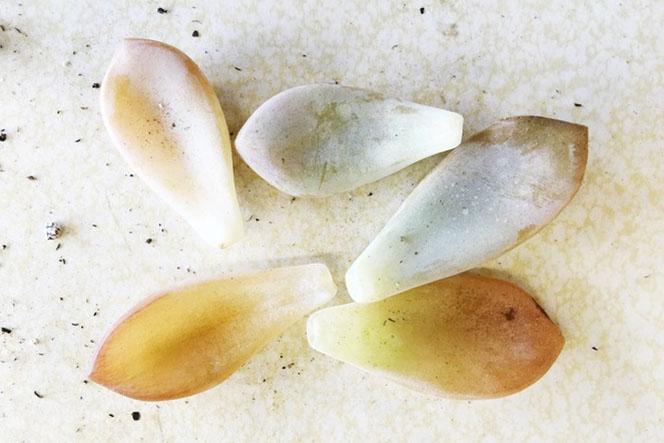
Succulent leaves and stems are like water balloons that can only take up a certain amount of moisture until every succulent cell is fully hydrated. When overwatered, i.e., when these balloons are overfilled, they burst and the cell structures are severely damaged, resulting in rotting leaves and roots. The leaves would start to look translucent, discolor (yellow), feel soggy to the touch, and fall off easily. There will also be black spots on the leaves or stem. On Echeverias, which is one of the most sensitive succulents, the color of the center would get much lighter. While it is possible to save a succulent from rotting, the best solution is to take leaves and cuttings that haven’t been affected to form new plants. You can check out our instructions on different ways to propagate succulents from cuttings. 

Overwatered Succulents

Overwatered Succulent

<image source: Sublime Succulents>

UNDERWATERED

The amount of water stored in the leaves and stems of succulents can help the plants last at least a month in drought condition. It can be confusing to distinguish between dying old leaves and shriveled underwatered leaves. Dry leaves caused by underwatering are softer to the touch than when fully hydrated, but don’t look translucent and soggy like overwatered leaves. As the moisture pressure inside the tissue of the leaves and stems reduces, there will be wrinkles on the skin, and the leaves will look droopy with sagging tips. 

Overwatered vs Underwatered Succulent


Underwatered Succulent

<image source: Reddit.com>


Dying old leaves are always the lower leaves at the bottom of the plant. Instead of shriveling up and discolor, they become brown and thin out to a very dry, crispy, papery feel. Dead old leaves will eventually be dropped, or can be removed to keep the plant looking its best. 

To avoid overwatering and underwatering your succulents, make sure you pay close attention to the condition of their leaves and learn how to water your succulents the right way.

We got you a little gift for your continued support to Succulents Box!!! It is a Free Printable: 11 Succulent Collections. Click here to download


Overwatered and Underwatered


Overwatered vs Underwatered Succulent


See more about Succulent Watering Tips!

How to save an overwatered succulent, Signs of underwatered succulents, Underwatered vs overwatered succulent, How to fix overwatered succulent, How to revive a dead succulent, Succulent leaves soft and wrinkly


In addition, there are many common problems you may run into: succulent etiolation, mealy bugs,... Just make sure you get a diagnosis as soon as possible so you have a better chance of helping your succulent recover.


If you found this article interesting, share it with your succulent loving friends!

And get a free plant when your friends make an order. Sign up here!

Learn more about how to nurture and enjoy many gorgeous succulents and clever decoration tips with our newsletter. Let's sign up!


Recommended Items


Related articles

JANUARY 2026 SUCCULENT SUBSCRIPTION BOX CARE GUIDE

3 min read

This January Succulent Subscription Box Care Guide is designed to start the new year with a fresh selection of succulents and clear, practical care guidance. From light and watering basics to soil preferences, this guide helps each plant settle in and grow with confidence.

Our January box features Cotyledon orbiculata ‘Oophylla’, Graptopetalum ‘Purple Delight’, Sedeveria ‘Letizia’, Crassula cotyledonis, and Tillandsia melanocrater ‘Tricolor’, offering a balanced mix of colors, textures, and growth habits. Whether you are expanding your collection or exploring new varieties, this guide supports easy care while highlighting the natural beauty these plants bring to everyday spaces.

How to care for Chinese Evergreen 'Lady Valentine'

7 min read

Chinese Evergreen 'Lady Valentine' is a popular indoor plant known for its vibrant pink and green foliage, requiring bright, indirect light and consistent watering to thrive. This hardy plant prefers warm temperatures and moderate humidity levels, growing best in a well-draining potting mix and benefiting from balanced fertilization during the active growing season. While easy to care for, 'Lady Valentine' is toxic if ingested and may require occasional pruning to maintain a tidy appearance and encourage healthy new growth. In summary, Chinese Evergreen 'Lady Valentine' is a visually striking and resilient indoor plant that thrives in warm, stable environments with bright, indirect light and moderate humidity levels. Proper watering, soil, and fertilizer management are essential for its growth, while toxicity precautions and occasional pruning help maintain its health and appearance.
How to care for Euphorbia Lactea Ghost Cactus

6 min read

Euphorbia lactea ‘Ghost’ is a visually striking succulent prized for its pale stems, though it's not a true cactus but a member of the Euphorbiaceae family. Key care considerations include providing bright, indirect light to support the grafted plant, maintaining a "soak and dry" watering approach to prevent root issues, ensuring stable temperatures and humidity levels, using well-draining soil mixes, and being cautious of its toxic sap during handling. To care for Euphorbia lactea ‘Ghost’, offer bright, indirect light, maintain a "soak and dry" watering approach, provide stable temperatures and humidity levels, use well-draining soil, and handle the toxic sap with caution to prevent potential health issues.
Our care guides and planting tips are crafted by seasoned gardeners and plant enthusiasts who bring a wealth of hands-on experience to every piece of content. We take pride in offering meticulously researched and human-written advice to ensure the highest quality information for our fellow plant lovers. Each article is written with care and expertise, not auto-generated by AI, to help you keep your plants healthy and happy.
Back to Top