


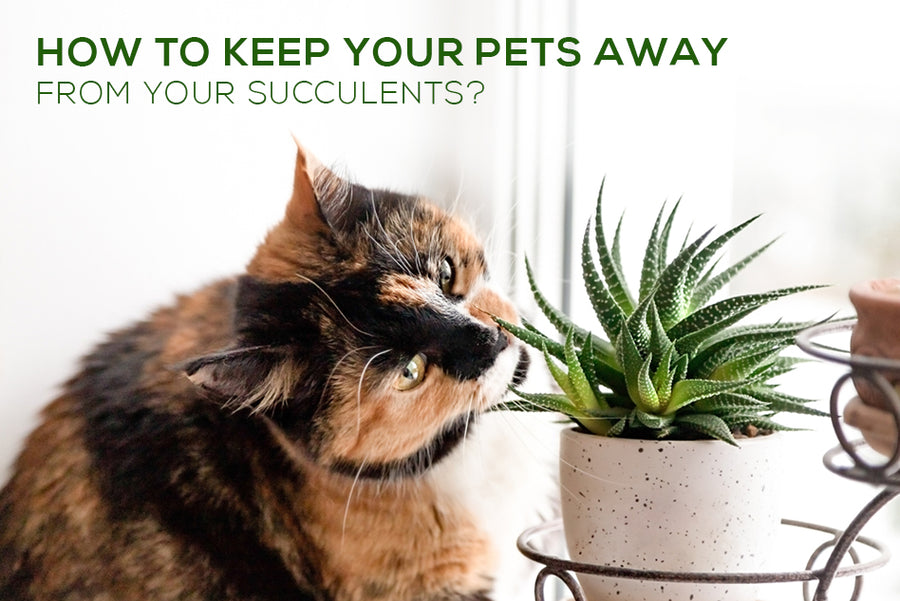
You are an animal and nature lover with fur balls and greenery all around you. Many four-legged creatures (cats and dogs and in rare cases the rodents too) have a free reign at home while you try to keep your surroundings beautifully green.
Well, I can understand you can’t live without either of them, the former is your best buddy and the latter is your passion. Did you just add luscious succulents to your collection, the more the better? All you have to do is come up with ways to let them co-exist together peacefully.
Ah, no, I don’t mean the dogs and cats living amicably, they will go on the way they are going on just as well, the cats pretending to be the haughty superior creatures. Your succulents and other plants living safely amid all your fur balls (I know some of you have rabbits and mice running amok) is the target of this post. Yes, let’s begin:
Cages (Obviously, not for the pets)
You can place your succulents, all of them in one large cage or put cacti in one, Echeveria in another and so on, and place them on shelves or windowsills or hang them through the ceiling for a more dramatic effect.
Keep them low enough so they are within easy reach for watering although most varieties prefer the soaking method once or twice a month. Most succulents don’t mind being crammed together; just avoid putting thorny ones too close to the smooth ones. You will have to water them even less because of the high humidity levels when you have bunched the plants together.

Terrariums
You might like to put your succulents in open or closed terrariums to keep them safe from your pets if you are into indoor gardening and decoration. There’s a drawback if they are large it would be better to make one solid place for them as it would be difficult to move them around.
Also, make sure that they are heavy and stable enough that your pets won’t be able to topple them over. A terrarium will provide shelter to your plants from your furry troublemakers and you would have to water them even less; this is an excellent investment for those who have chaotic schedules.
Sprays
This is the most inexpensive viable option for any pet owner. There are many pet-repellent sprays available in pet stores and in various nurseries that you can spray on your plant without any harmful effects to either of them.
You can also make a few at home with vinegar, orange, lemon, cayenne pepper or chili pepper. Sprinkle pepper on your succulents or better mix it with water and spray it on your plants. The same can be done with citrus fruits; take diluted lemon or orange juice or white vinegar. If you have essential oils at hand then fill your spray bottle with ¾ parts water and add 12 to 15 drops of oil (peppermint, eucalyptus, lavender and lemongrass are some that pets just hate), give it a good shake and spray. You might have to repeat the procedure two to three times a month as the smell will gradually disappear.
Coffee Grounds
Another pantry staple in most homes, you can sprinkle coffee grounds on the soil and also leave some orange peels or lemon peels around your pets to deter them from wreaking havoc on your plants. You can use any one ingredient that you have in your kitchen or make a combo for a long-lasting effect. These will not only send your pets scurrying away from your plants, but also replenish the soil.
Aluminum Foil
This again can be found in most kitchens so you can utilize it by wrapping a layer around the top part of the succulent pot. You can also place bits of aluminum wrap on the soil as pets, especially cats, do not like to walk on this particular material.
Also, you can use pine cones for this purpose, by surrounding your succulents with them so the pets can’t get to them.
Conclusion
You can use any of the above-mentioned options or you can use a combination of them for different succulents you have at your home.
We were selected by Redfin as a top plant and pet expert! See the article we were featured in: A Guide to Pet-Safe Plants: Decorate Your Apartment or House Without Worry
See more about Toxic and Non-Toxic Succulents for Pets

Click here to get all the details.
If you found this article interesting, share it with your succulent loving friends!
And get a free plant when your friends make an order. Sign up here!
Learn more about how to nurture and enjoy many gorgeous succulents and clever decoration tips with our newsletter. Let's sign up!
Recommended Items


