-
-
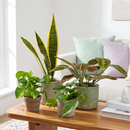
![]() Low Light Bundle is a curated indoor plant collection that groups several shade-tolerant tropical houseplants together, typically drawing from genera native to the forest floors of Central and South America, Southeast Asia, and Africa, where filtered canopy light is the norm. Each plant in the collection is selected for its ability to thrive in low to medium light conditions found in most homes and offices.
Low Light Bundle is a curated indoor plant collection that groups several shade-tolerant tropical houseplants together, typically drawing from genera native to the forest floors of Central and South America, Southeast Asia, and Africa, where filtered canopy light is the norm. Each plant in the collection is selected for its ability to thrive in low to medium light conditions found in most homes and offices.
 Depending on the specific plants included, the Bundle may feature broad, glossy leaves in deep green, variegated patterns with cream or yellow markings, or heart-shaped foliage on trailing stems. Growth habits vary across the collection and can include upright growers, compact rosette forms, and trailing vines that drape over shelf edges. Some plants in the mix carry textured or ribbed leaf surfaces, while others stay smooth and waxy.
 Most plants in this low light indoor plant collection are grown primarily for their foliage rather than flowers, and blooms are uncommon or infrequent indoors under low light conditions. What the Bundle does consistently offer is year-round leaf coverage, steady new growth during warmer months, and a mix of forms that work together visually on a shelf or grouping.
 Rotating the Bundle every few weeks keeps growth even, since stems lean toward the nearest light source over time. It does well near a kitchen, where ambient moisture from cooking and washing helps maintain humidity around the leaves. Keep it away from air conditioning vents and heating units, as the dry, moving air causes leaf edges to brown and curl. Cats and dogs should not be left to nibble or chew on the plants, and the sap from some species in the collection can irritate skin and paws on contact. The collection is best placed out of reach of small children and kept on a high shelf when possible. Each plant in the mix filters indoor air and has been shown to reduce formaldehyde and other common indoor toxins, making this apartment plant collection a functional addition to low light rooms.
-
 Low Light Bundle grows well under standard office fluorescent or LED lighting and handles north-facing or east-facing window exposure without issue.
 Water it every 10 to 14 days, allowing the top inch of soil to dry between sessions.
 Bundle does best in a well-draining indoor potting mix, ideally with added perlite to prevent waterlogging at the roots.
 It prefers temperatures between 60°F and 85°F and should not be exposed to cold drafts or sudden temperature drops below 55°F.
![]() Bundle grows at a slow to moderate pace and benefits from a balanced liquid fertilizer applied once a month during spring and summer.
Bundle grows at a slow to moderate pace and benefits from a balanced liquid fertilizer applied once a month during spring and summer.
 It is hardy in USDA zones 10 through 12, where frost is rare or absent, and tolerates outdoor conditions down to approximately 35°F to 40°F before showing cold damage. It grows outdoors year-round in Florida, Hawaii, Southern California, and Southern Texas. It also suits outdoor placement in Arizona and Louisiana during the warmer months.
-
Q: What kind of light does the Low Light Bundle need?
A: Keep it away from south-facing windows, where direct sun scorches the leaves. North, east, or interior spots with indirect light or standard office LEDs work well.
Q: How do I know when to water it?
A: Low Light Bundle wilts slightly when the soil has been dry too long. Check the top inch of soil before watering, and hold off if it still feels damp.
Q: Is Bundle safe around pets?
A: Cats and dogs should not be left to nibble or eat the plants. The sap from some species in the mix can irritate paws and skin on contact.
Q: How fast do the plants grow?
A: Bundle grows at a slow to moderate pace. Rotating it every few weeks encourages more even, balanced growth rather than one-sided leaning.
Q: Can Bundle be placed in a room with no windows?
A: It handles low light well but needs some light source to stay healthy. A room with standard overhead LED or fluorescent lighting is the minimum it needs to maintain its foliage.
Q: Does it help with indoor air quality?
A: Bundle filters indoor air and has been shown to reduce formaldehyde and other common household toxins with regular placement in lived-in rooms.
All of our product images on our website and social media visuals are proudly and originally produced by our team. We pour a lot of care and creativity into capturing the beauty of our plants, and these images are a true reflection of our passion for greenery. We’ve noticed several websites and online marketplace sellers using our original images without permission. This is image theft. If you see our images elsewhere, please know they’re being used without our consent. For the best quality and authenticity, always shop with us directly.
-
Hand-Packed with Care: We use a multi-layer system to ensure a safe arrival: soil is secured with wood fiber and sealed bags, houseplants are wrapped in signature paper, and large specimens are stabilized with stakes and locking inserts. Orders over $500 ship via pallet for maximum protection.
Processing: Shipped within 3-5 business days (Mon-Fri) year-round.
Urgent Orders: Message us for shipping upgrades (additional cost).
Destinations:We ship houseplants to the lower 48 US states only. Excludes AK, HI, PR, Guam, and international destinations.
Cold Weather: If under 40°F, please add a Heat Pack to your order for safety.
Weather Delay: We may delay shipping during extreme weather (e.g., snowstorms) to ensure plant health.
🌿 For Houseplants
When your package arrives, you may notice a bit of loose soil in the box. This is completely normal during shipping.
Please remove your plants from their packaging as soon as possible and review the care instructions included with your order. Water based on your plant’s needs, making sure not to overwater.
Houseplants may need a short adjustment period after arrival. Give your plant time to acclimate to its new space before placing it with other plants. You can gently clean the leaves if needed, and wait to fertilize until it has settled in. Always check soil moisture instead of watering on a fixed schedule.
*** We pack carefully to protect each plant during transit, so larger orders may arrive in multiple packages.
-
🌿 14-Day Satisfaction Guarantee (Replacement or Refund)
From arrival to long-term care, we’ve got you covered. We carefully pack every plant so it arrives happy and healthy. If something doesn’t look right when it gets to you, don’t worry, we’ll make it right.
How it works:
- Reach out within 14 days of delivery
- Send us your order number and a couple of photos of your plant(s)
- We’ll take care of you with a replacement or a refund
👍 Green Thumb Guarantee (6-Month Extended Coverage)
Still getting the hang of plant care? You’re not on your own. For up to 6 months from your order date, if your plants show serious decline or fail to survive, we’re here to help.
You can claim a gift card to help you continue your plant journey.
How it works:
- This coverage continues after the 14-day guarantee
- Gift card value starts at $15, with the opportunity for more based on your order
- Total gift card value is capped at $50 per order
- One claim per order or subscription
- Gift cards are valid for 6 months from the date of issue
- Just send your order number and a few photos of your plant(s) to support@succulentsbox.com, and we’ll take it from there.
-
1,000+ Plants, the Largest Selection Online. 600+ succulents, 400+ houseplants, and 70+ air plants, all carefully selected and professionally grown.
Plants That Are Ready to Thrive. Every plant is inspected for health and disease before it leaves our nursery, then shipped on schedule so it arrives fresh. The best plant quality you'll find online.
Gifts and Subscriptions for Any Occasion. 30+ themed gift boxes and 1, 3, 6, or 12-month subscriptions.
14-Day Satisfaction Guarantee. Something not right? Send us your order number and photos and we'll fix it.
6-Month Green Thumb Coverage. The longest guarantee in the industry. If your plant seriously declines, we're still here for you.
Real People, Real Answers. No chatbots. Our team responds within 24 hours. Over 15,000 five-star reviews, and our customers say we have the best customer service in the plant industry.

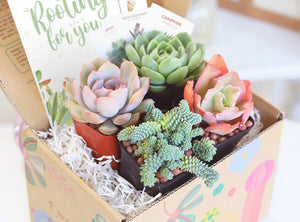
 Arrives healthy & gift-ready
 Healthy plant or replaced free
 Plant care guide included with every gift Plus live plant doctor access