-
-
![]() Callisia navicularis - Chain Plant is a charming trailing succulent that belongs to the spiderwort family, Commelinaceae. This delightful houseplant originates from Mexico, where it naturally cascades over rocks and slopes in its native habitat.
Callisia navicularis - Chain Plant is a charming trailing succulent that belongs to the spiderwort family, Commelinaceae. This delightful houseplant originates from Mexico, where it naturally cascades over rocks and slopes in its native habitat.
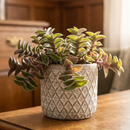
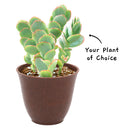
 Callisia navicularis - Chain Plant captivates with its distinctive boat-shaped leaves that create beautiful chains of bronze-green foliage. The succulent leaves display stunning purple undersides that become more pronounced in bright light, while the compact growth habit makes this trailing plant perfect for hanging baskets. Each leaf connects seamlessly to the next, forming elegant cascading strands that give this easy care plant its common name.
 Callisia navicularis - Chain Plant produces small, delicate white flowers that appear sporadically throughout the growing season when conditions are optimal. The tiny blooms emerge from the leaf joints and add a subtle charm to the already attractive foliage display.
 Callisia navicularis - Chain Plant grows quickly and adapts beautifully to indoor conditions, making it ideal for beginners seeking a fast-growing succulent. This versatile hanging basket plant works wonderfully in bright windowsills, shelves, or suspended planters where its trailing habit can be fully appreciated. Collectors love this easy care houseplant for its unique leaf structure and reliable performance in various indoor environments.
-
 Callisia navicularis - Chain Plant thrives in bright, indirect light but tolerates some direct morning sunlight.
 Water Callisia navicularis - Chain Plant when the top inch of soil feels dry, typically every 7-10 days.
 Callisia navicularis - Chain Plant prefers well-draining succulent mix or standard potting soil with added perlite.
 Callisia navicularis - Chain Plant enjoys temperatures between 65-80°F (18-27°C) and cannot tolerate frost.
![]() Callisia navicularis - Chain Plant is fast growing and benefits from monthly liquid fertilizer during spring and summer.
Callisia navicularis - Chain Plant is fast growing and benefits from monthly liquid fertilizer during spring and summer.
 Callisia navicularis - Chain Plant grows outdoors in USDA zones 9-11 and cannot survive temperatures below 32°F (0°C). These zones include Florida, southern California, southern Texas, Arizona, Hawaii, Louisiana, southern Georgia, coastal South Carolina, southern Nevada, and parts of coastal Oregon and Washington. Gardeners in Alabama, Mississippi, southern North Carolina, and parts of Arkansas can also grow Callisia navicularis - Chain Plant outdoors year-round in protected locations.
-
Q: How often should I water my Callisia navicularis - Chain Plant?
A: Water when the top inch of soil feels dry, typically every 7-10 days. Overwatering can cause root rot in this succulent.
Q: Is Callisia navicularis - Chain Plant safe for pets?
A: Callisia navicularis - Chain Plant is generally considered non-toxic to pets. However, it's always best to keep houseplants away from curious pets to prevent any potential stomach upset.
Q: How fast does Callisia navicularis - Chain Plant grow?
A: This is a fast-growing trailing plant that can develop long cascading stems within months. Regular feeding during growing season promotes the best growth rate.
Q: What light conditions does Callisia navicularis - Chain Plant need indoors?
A: Provide bright, indirect light for optimal growth and color development. Some morning sun is beneficial but avoid harsh afternoon sunlight.
Q: How do I propagate Callisia navicularis - Chain Plant?
A: Simply cut healthy stem sections and place them in water or moist soil. Root development typically occurs within 1-2 weeks.
Q: What size does Callisia navicularis - Chain Plant reach?
A: Trailing stems can reach 12-24 inches long, making it perfect for hanging baskets. The plant stays compact vertically while spreading horizontally.
-
Hand-Packed with Care: Using recyclable wraps and crinkle paper, we ensure every succulent arrives healthy and in perfect condition.
Processing: Shipped within 3-5 business days (Mon-Fri) year-round.
Urgent Orders: Message us for shipping upgrades (additional cost).
Destinations: We ship succulents to all 50 US states and territories, with the exception of Guam.
Cold Weather: If under 40°F, please add a Heat Pack to your order for safety.
🌵 For Succulents
When your package arrives, you may notice a bit of loose soil in the box. This is completely normal during shipping.
Please remove your plants from their packaging right away and follow the care instructions included with your order. Succulents prefer to dry out between waterings, so only water when the soil is completely dry.
Succulents are resilient plants and typically recover quickly once they settle into their new environment. Give them a few days to adjust before placing them in direct sunlight, and avoid fertilizing right away.
*** We pack carefully to protect each plant during transit, so larger orders may arrive in multiple packages
-
🌿 14-Day Satisfaction Guarantee (Replacement or Refund)
From arrival to long-term care, we’ve got you covered. We carefully pack every plant so it arrives happy and healthy. If something doesn’t look right when it gets to you, don’t worry, we’ll make it right.
How it works:
- Reach out within 14 days of delivery
- Send us your order number and a couple of photos of your plant(s)
- We’ll take care of you with a replacement or a refund
👍 Green Thumb Guarantee (6-Month Extended Coverage)
Still getting the hang of plant care? You’re not on your own. For up to 6 months from your order date, if your plants show serious decline or fail to survive, we’re here to help.
You can claim a gift card to help you continue your plant journey.
How it works:
- This coverage continues after the 14-day guarantee
- Gift card value starts at $15, with the opportunity for more based on your order
- Total gift card value is capped at $50 per order
- One claim per order or subscription
- Gift cards are valid for 6 months from the date of issue
- Just send your order number and a few photos of your plant(s) to support@succulentsbox.com, and we’ll take it from there.
-
1,000+ Plants, the Largest Selection Online. 600+ succulents, 400+ houseplants, and 70+ air plants, all carefully selected and professionally grown.
Plants That Are Ready to Thrive. Every plant is inspected for health and disease before it leaves our nursery, then shipped on schedule so it arrives fresh. The best plant quality you'll find online.
Gifts and Subscriptions for Any Occasion. 30+ themed gift boxes and 1, 3, 6, or 12-month subscriptions.
14-Day Satisfaction Guarantee. Something not right? Send us your order number and photos and we'll fix it.
6-Month Green Thumb Coverage. The longest guarantee in the industry. If your plant seriously declines, we're still here for you.
Real People, Real Answers. No chatbots. Our team responds within 24 hours. Over 15,000 five-star reviews, and our customers say we have the best customer service in the plant industry.

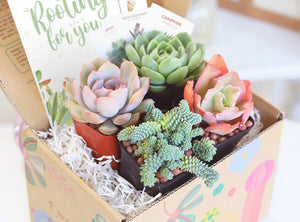
 Arrives healthy & gift-ready
 Healthy plant or replaced free
 Plant care guide included with every gift Plus live plant doctor access