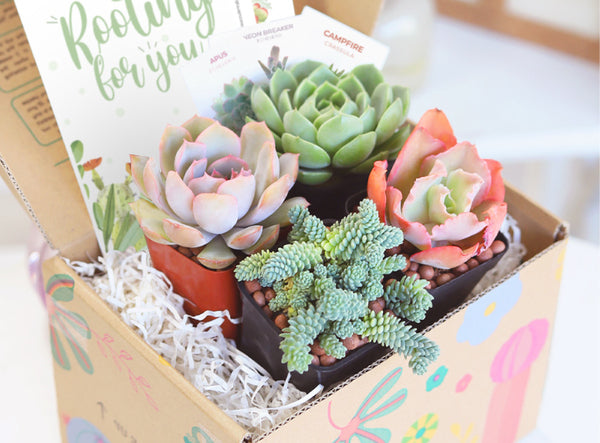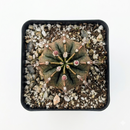
Gymnocalycium friedrichii is a rare chin cactus native to Paraguay, where it grows among rocky grasslands in dappled light and well-draining soils. A true collector find, this dwarf globular cactus belongs to the Gymnocalycium genus, a group celebrated by enthusiasts worldwide for their low maintenance appeal and striking form.
Gymnocalycium friedrichii forms a compact, upright globe with distinctly ribbed sides and attractively arranged areoles bearing neat, curved spines. Its gray-green to reddish-purple body can show stunning color variation depending on light levels, making each specimen visually unique. The clumping growth style means a mature plant gradually produces offsets, building into a beautiful sculptural cluster over time.
Gymnocalycium friedrichii produces delicate funnel-shaped blooms in shades of pale pink to soft white, typically appearing in spring and summer once the plant is mature. Blooming is triggered by a night temperature drop, so seasonal temperature fluctuation is key to encouraging flowers year after year. This plant is also pet friendly, making it a worry-free choice for households with cats and dogs.
A genuine rare collector cactus, Gymnocalycium friedrichii rewards patient growers with a slow, steady presence that suits shelves, windowsills, and curated cactus displays equally well. It tolerates dry heated indoor air and survives a 10-day trip without a water check, making it an ideal low maintenance cactus for busy plant lovers or travelers. Protect it from rain if moved outdoors for summer, and bring it back inside well before first frost. This is a plant you can keep and enjoy for decades.
Gymnocalycium friedrichii thrives in bright indirect light or partial sun, and scorches in intense south-facing windows.
Water Gymnocalycium friedrichii every 10-14 days in summer, reducing to once monthly or less in winter.
Gymnocalycium friedrichii performs best in a fast-draining cactus and perlite mix that prevents root rot.
Gymnocalycium friedrichii prefers 60-85°F (15-29°C) and is not frost hardy below 28°F (-2°C).
Gymnocalycium friedrichii is a slow-growing cactus that needs light feeding once or twice in the active season.
Gymnocalycium friedrichii is reliably hardy in USDA Zones 9-11, tolerating brief dips to around 28°F (-2°C) before frost damage sets in. Outdoor growers in Florida, California, Texas, Arizona, Hawaii, Louisiana, Georgia, South Carolina, Alabama, Mississippi, and Nevada will find Gymnocalycium friedrichii well suited to their climates. Parts of the Oregon coast and select microclimates in New Mexico and Arkansas that fall within Zone 9 can also support this rare chin cactus outdoors with minimal protection.
Q: Is Gymnocalycium friedrichii pet friendly?
A: Yes, Gymnocalycium friedrichii is pet friendly and considered non-toxic to cats and dogs.
Q: How much light does Gymnocalycium friedrichii need?
A: Gymnocalycium friedrichii grows best in bright indirect light or partial sun and scorches in harsh direct south-facing exposure.
Q: How fast does Gymnocalycium friedrichii grow?
A: Gymnocalycium friedrichii is a slow-growing cactus, so expect gradual size increases and patient, long-term enjoyment rather than rapid growth.
Q: How do I propagate Gymnocalycium friedrichii?
A: Gymnocalycium friedrichii is easiest to propagate by separating the offsets it produces at the base, letting them callous for a day, then potting into dry cactus mix.
Q: Why is my Gymnocalycium friedrichii turning yellow?
A: Yellowing on Gymnocalycium friedrichii usually signals overwatering or root rot, though too little light or compacted soil can also cause discoloration.
Q: Can Gymnocalycium friedrichii go outside in summer?
A: Yes, Gymnocalycium friedrichii benefits from outdoor summer placement in a sheltered spot, but keep it covered from heavy rain to prevent rot.
2 INCH/ 4 INCH/ 6 INCH ARE THE SIZES OF THE POTS, NOT THE SIZE OF THE PLANTS.
We ship all year round, if your area is cold (under 40 degree), please consider purchasing a Heat Pack to add to your order.
Our packaging materials are: - 100% recyclable and biodegradable cardboard boxes. - 100% biodegradable packing peanuts made from natural and non-toxic sources.
Here is our blog about the shipping process and packaging: https://succulentsbox.com/pages/shipping-return-policy

*** The size options are represtentative of pots that the plants come in. Sometimes customer may receive multiple plants instead of a large one to make up size.
*** All of our packages are sterilized before leaving the door.
We take great pride in shipping only healthy, beautiful plants to our customers! To ensure they arrive in the best condition, please track your package and open it immediately upon arrival. If you have any concerns, our dedicated customer support team is here to help—just message us right away! Fragile varieties like bearpaw and baby toe may lose a few leaves or experience minor breakage during transit, but we are happy to assist if your plant is severely damaged. Our goal is to make sure you receive plants you love, and we’ll do our best to accommodate you. Additionally, plant sizes may vary slightly depending on availability or the time of year, but rest assured, each one is carefully grown and selected.Your satisfaction is our priority, and we’re always here to help make your plant journey a great one!
Green Thumb Guarantee
Worried about plant care? We’ve got you covered! If your plant care goes haywire within 6 months of your order, you can claim a $15 gift card for your plant. How it works:
For each plant, you can receive a gift card.
All gift cards issued by Succulents Box will expire one (1) year from the date of creation.
The more plants you order, the more you can claim, up to a maximum of $50 gift card per order.
One-time claim per order.
For subscriptions, you can claim once per subscription.
Provide porous soil with adequate drainage, pots with drainage hole are recommended. Bright, filtered
light and ample airflow. Water thoroughly when soil is dry to the touch. Never let your succulents sit in water. Do
NOT water on the leaves. If you water from beneath by letting the plant sit in a saucer of water, make sure to pour
off any excess water after a few minutes.
The hotter it is outside, the faster your soil will dry out, so you’ll need to water more often if you live in a hot
area. Water with caution in winter, as the plant can lose its roots if the soil stays cold and wet for extended
periods; protect from frost to prevent scarring.